

Finite Element Composite Materials
Unidirectional composites (UD)
FEA Based Composite Material Design and Optimization: Fatigue, Fracture, Impact, Crash, Acoustics and Vibration with Abaqus, Ansys and LS-DYNA
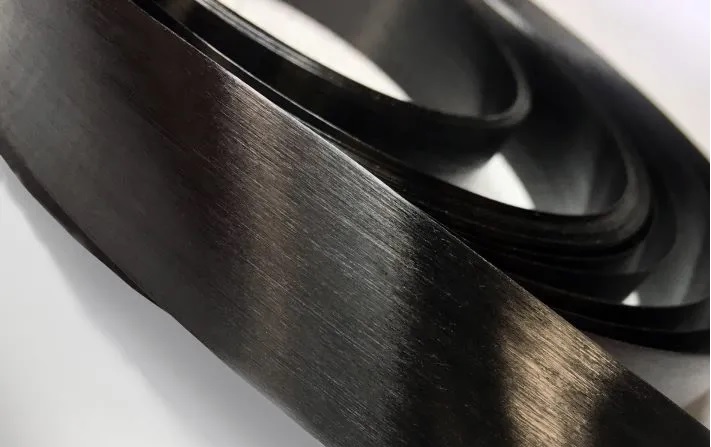
Unidirectional composites (UD) are a type of composite material that consist of fibers arranged in a single direction within a matrix material. These composites offer a wide range of options for tuning the material properties to meet specific performance requirements. They are commonly reinforced with different types of fibers, such as glass, carbon, or aramid, and can be made using both thermoset and thermoplastic matrices.
The fibers used in UD composites are typically straight and non-crimped, which allows for maximum efficiency in transferring load along the length of the fiber. The fibers are arranged in specific stacking sequences, with varying fiber volume fraction, ply thickness, and orientation, to achieve the highest possible in-plane laminate properties in the final composite component construction.
By varying the stacking sequence and fiber orientation, UD composites can be tailored to achieve specific mechanical properties, such as stiffness, strength, and toughness, in specific directions. This makes them ideal for applications that require high performance in certain directions, such as aerospace, automotive, and sports equipment.
The wider discipline
Composite Materials
Composite material modeling Consultant, Training and Simulation services of OLTRION cover wide range of industry using advanced FEA Technology for design, ultimate failure, fatigue, fracture, impact, crash, environmental degradation, acoustics and multiphysics simulations with sophisticated FEA solvers such as Abaqus, Ansys, LS-DYNA, RADIOSS and COMSOL.
More in Composite Materials
View the section →
Capabilities that sit beside this one
 Woven fabric composites
Advanced FEA tools are essential for material investigations and are used to simulate the behavior of materials under various loading conditions. An …
Open capability
 Composite modeling approach in numerical computation
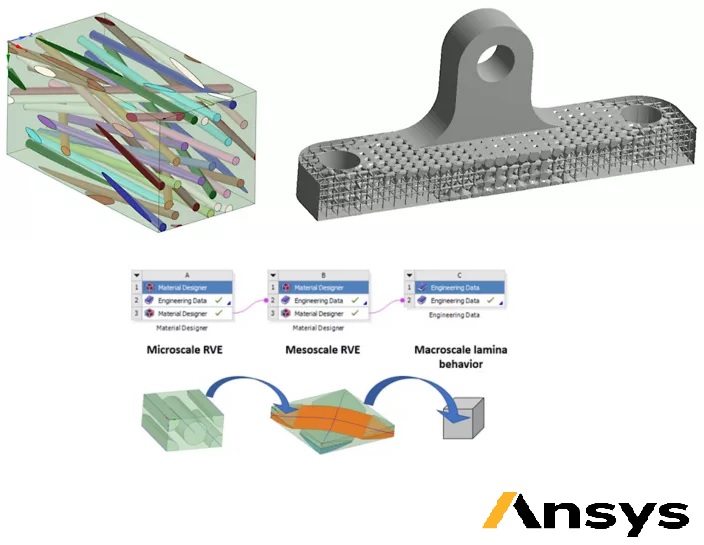
Key composite modeling approaches: ▶ Cohesive zone models (CZMs): CZMs are commonly used to model the initiation and propagation of cracks and …
Open capability
 High-rate loading conditions: Impact, Crash, Blast and Explosion
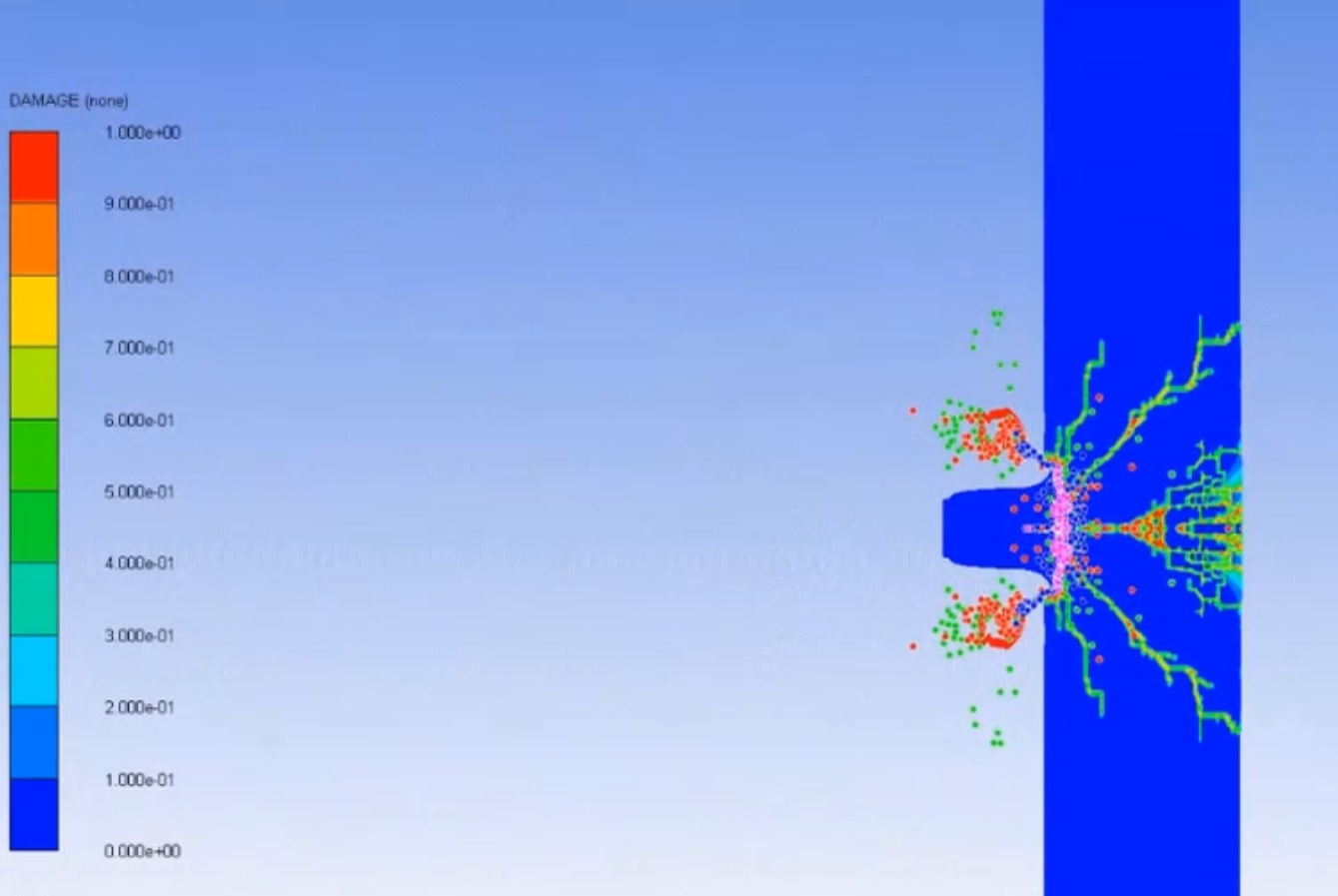
Composite materials can exhibit complex behavior under high-rate loading conditions, including fracture, damage, and delamination. High-rate loading conditions refer to situations where …
Open capability
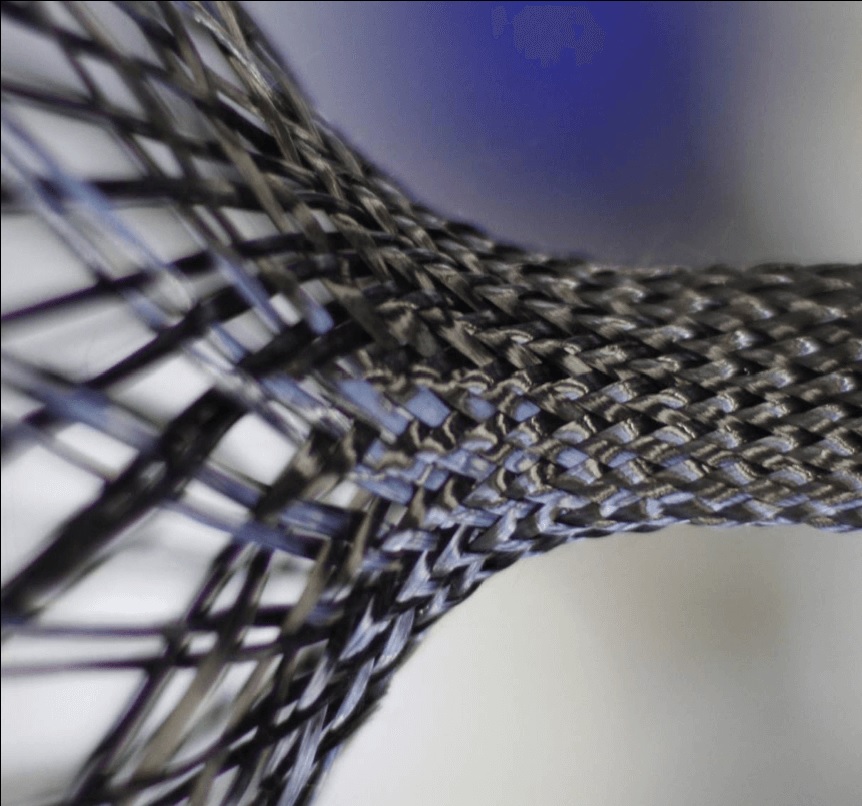 Braided Composites
Braided composites are a type of composite material that is made by braiding continuous fibers around a mandrel to create a preform, …
Open capability
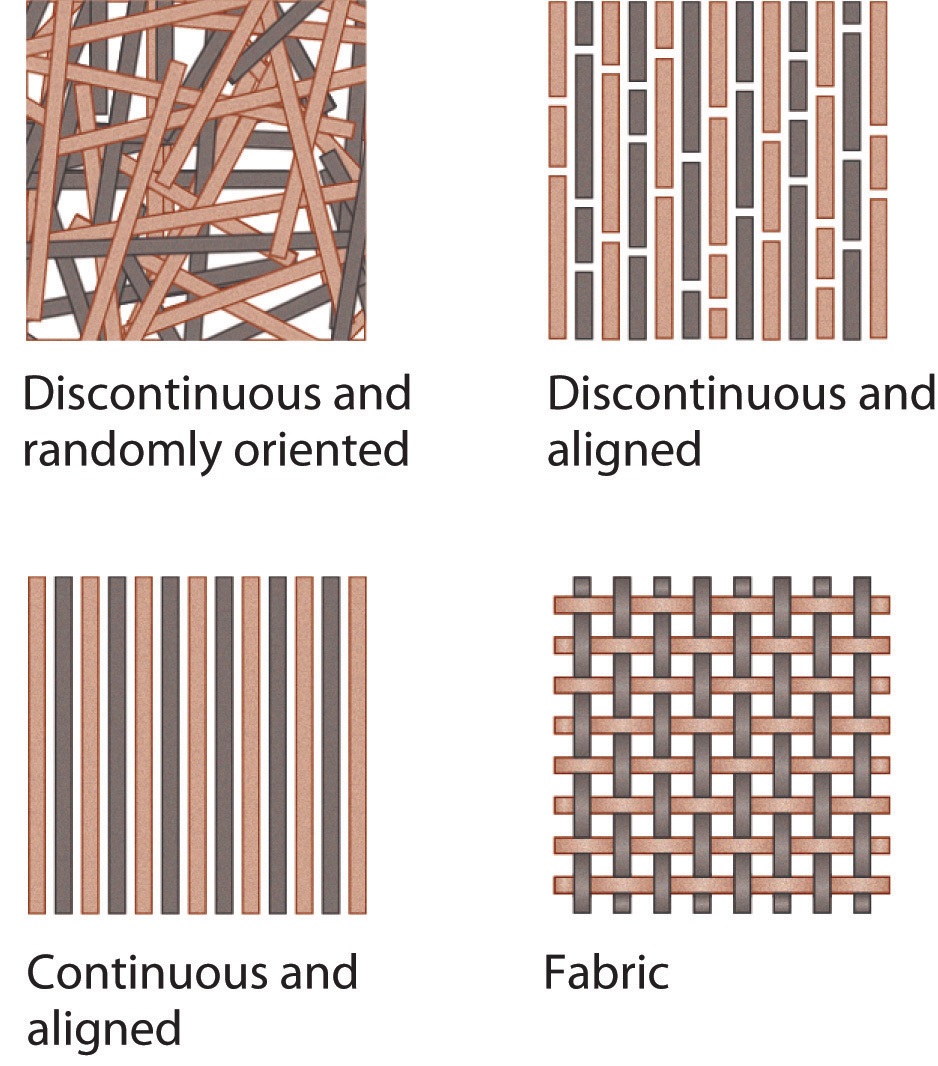 Discontinuous Fiber Composites
Discontinuous fiber composites (DFC) are a type of composite material that are made by compressing pre-impregnated fiber chips, or prepreg chips, which …
Open capability
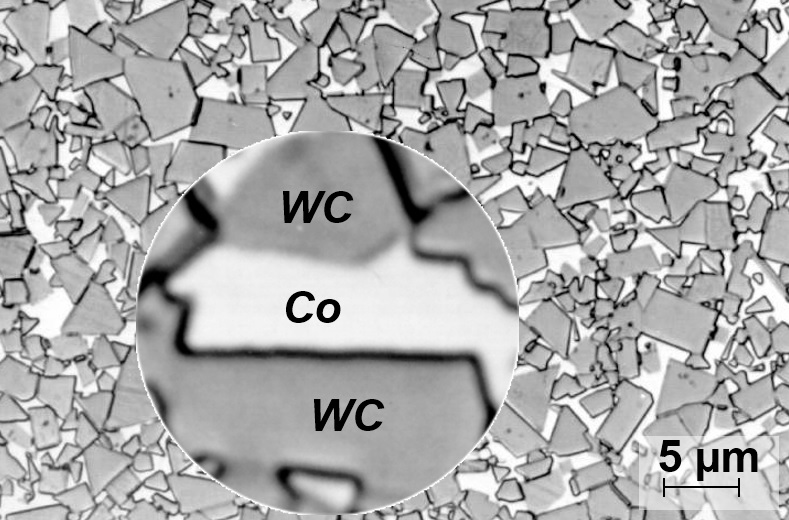 Hard Metal
Hard metals, also known as cemented carbides, are composite materials that are made up of a metal matrix and a hard ceramic …
Open capability
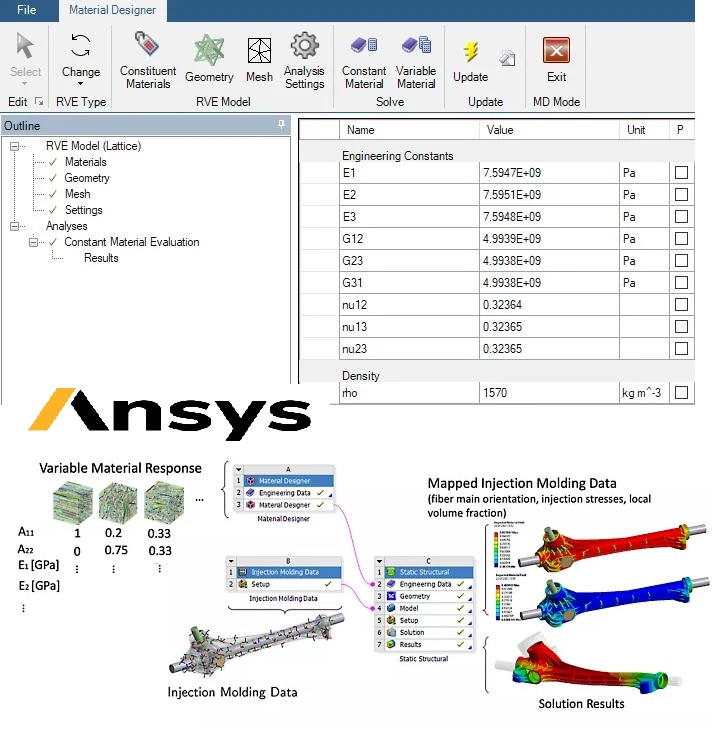 Plastic materials
Designing plastic materials reinforced with glass and/or carbon fibers is a complex process that requires consideration of many factors, including the properties …
Open capability
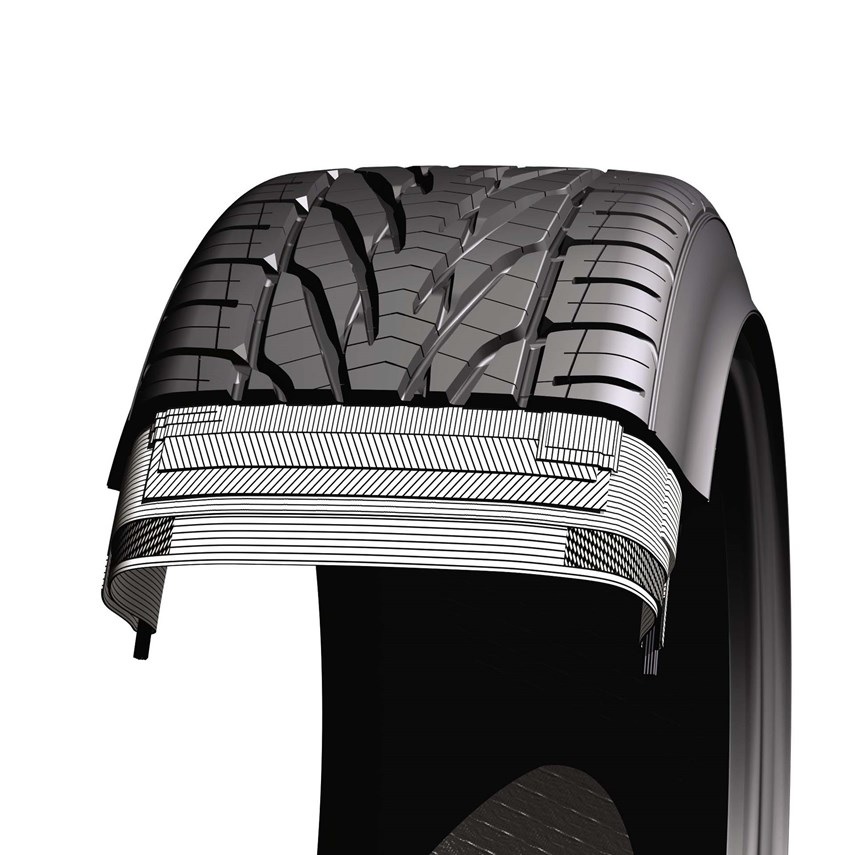 Rubber Matrix Composite
Rubber-based components, such as tires, anti-vibration systems, seals, and hoses, rely on the properties of the rubber matrix to perform their intended …
Open capability
Across Finite Element
Other Simulation Area
Acoustics and Vibration
Acoustics in Aerospace Engineering
Aero-acoustics is becoming increasingly important in the aerospace industry due to the growing concern over the noise generated …
Additive Manufacturing
Metal Binder Jetting
Metal Binder Jetting (MBJ) is an emerging additive manufacturing technology that offers several key advantages over traditional Powder …
Blast, Explosion & Fire
Applications of blast and explosion FEA & CFD simulation in the Chemical, Petrochemical, Oil & Gas industry
Applications of blast and explosion simulation: ▶ Explosion Modeling: Numerical simulation can be used to model the behavior …
Crash Test Simulation
eVTOL Landing Gear and Airframe Crashworthiness
eVTOLs, or electric vertical takeoff and landing aircraft, are a new category of aircraft that are being developed …
Durability & Fatigue Life
Elastomer Materials Fatigue
Developers of rubber materials, components and systems increasingly rely on simulation as a routine means to address design …
Metal Forming Simulation
Open Die Forging
Open die forging is a forging process used for large and critical products that cannot be formed using …
Multibody Dynamics
Multibody Dynamics & NVH
By combining MBD simulation and NVH finite element simulation analysis, engineers can create comprehensive models that simulate the …
Thermal Analysis
Vehicle Thermal Management Simulation
Extending from steady-state to transient simulation is essential in investigating the real conditions of vehicle driving cycles. This …
Welding Simulation
Finite Element Simulation of Brazing
Brazing is a thermal joining process that uses a melted filler material to connect metal components. The filler …
VTOL, eVTOL & UAM
Defense Technical Information
Crash Survival Design Guide (DTIC) This five-volume guide presents criteria and data for crash-resistant Army aircraft, including design …
Working on unidirectional composites (ud)?
Tell us the geometry, the physics and the decision it has to support.
Talk to an engineer