

Finite Element VTOL, eVTOL & UAM
NVH Analysis for eVTOL & Electro-Motors
eVTOL (Electric Vertical Take-Off and Landing) & UAM (Urban Air Mobility): FEA & CFD Based Simulation for Ground Vibration Testing (GVT), Airworthiness Certification, Aerodynamics, Aeroacoustics and Crashworthiness
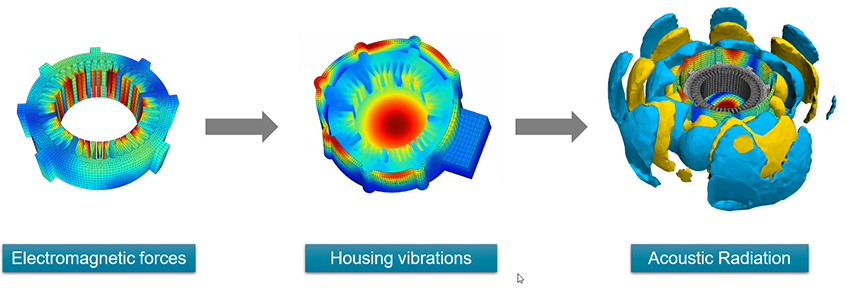
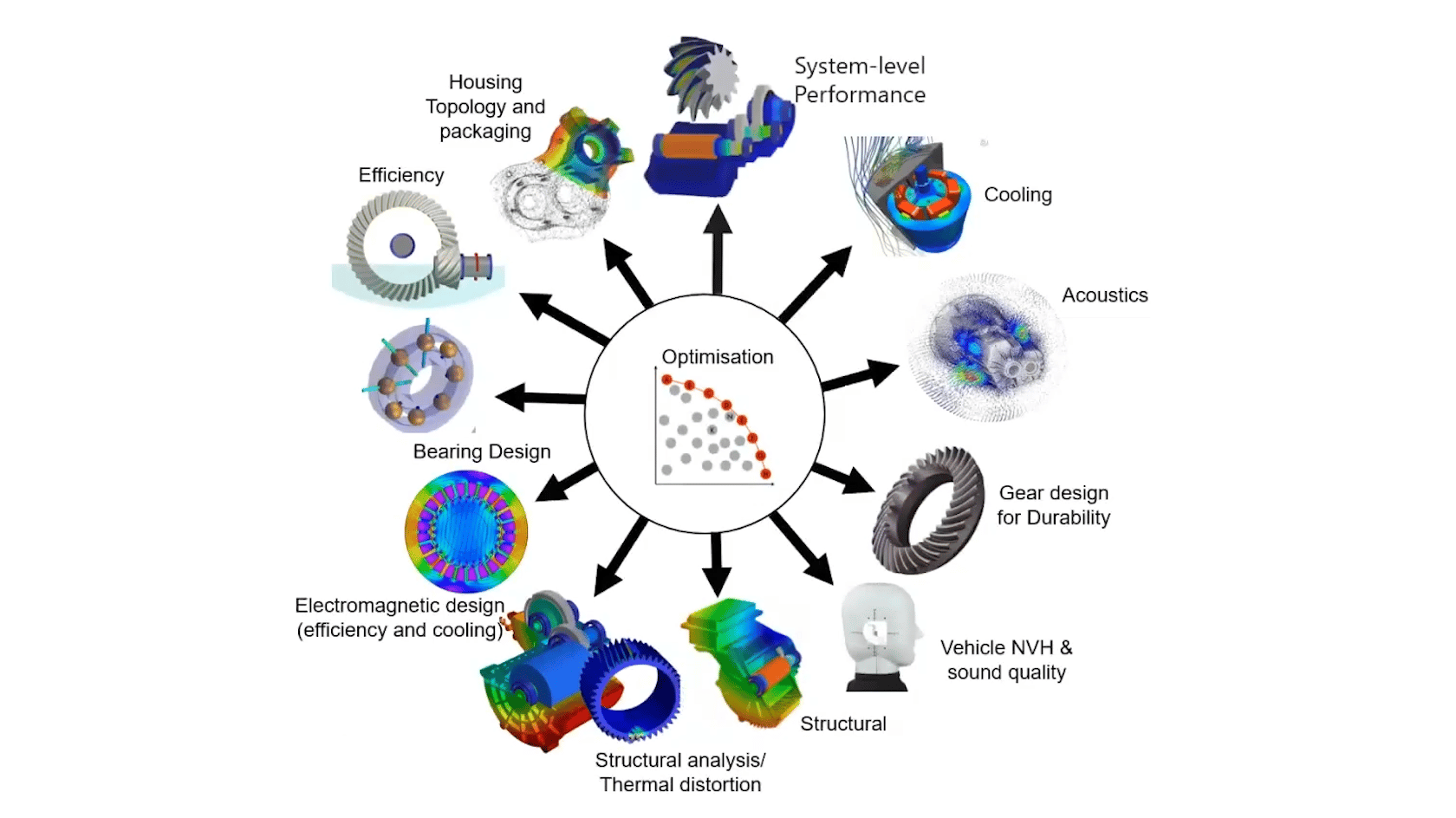
FEA-based simulation in electromagnetic multiphysics environments delivers critical insights for Noise, Vibration & Harshness (NVH) analysis of electrical machines and transformers.
NVH is vital for hybrid/electric-vehicle motors, appliances, transformers and any application demanding quiet operation. Two-way transient magnetostriction coupling integrates magnetostrictive forces into mechanical models to predict acoustic noise.
Results from transient electromagnetic solvers generate force distributions that are mesh-element-accurate. Specialized co-simulation algorithms map these forces directly into mechanical solvers for harmonic and vibro-acoustic analysis.
- ▶ Transient EM simulation → force vector extraction
- ▶ Element-based force mapping to structural mesh
- ▶ Harmonic stress & modal coupling
- ▶ Optional acoustic analysis for noise prediction
To optimize NVH, our engineers use these force mappings to drive advanced vibro-acoustic simulations. Modal and harmonic stress responses reveal vibration magnitudes and generate waterfall plots for a full acoustic profile.
- Accurate NVH prediction in eVTOL propulsion systems
- Design of high-quieting transformers and motors
- Optimized magnetostrictive coupling models
- Full-spectrum vibro-acoustic performance maps
VTOL, eVTOL & UAM
The level of partnership …
Capabilities that sit beside this one
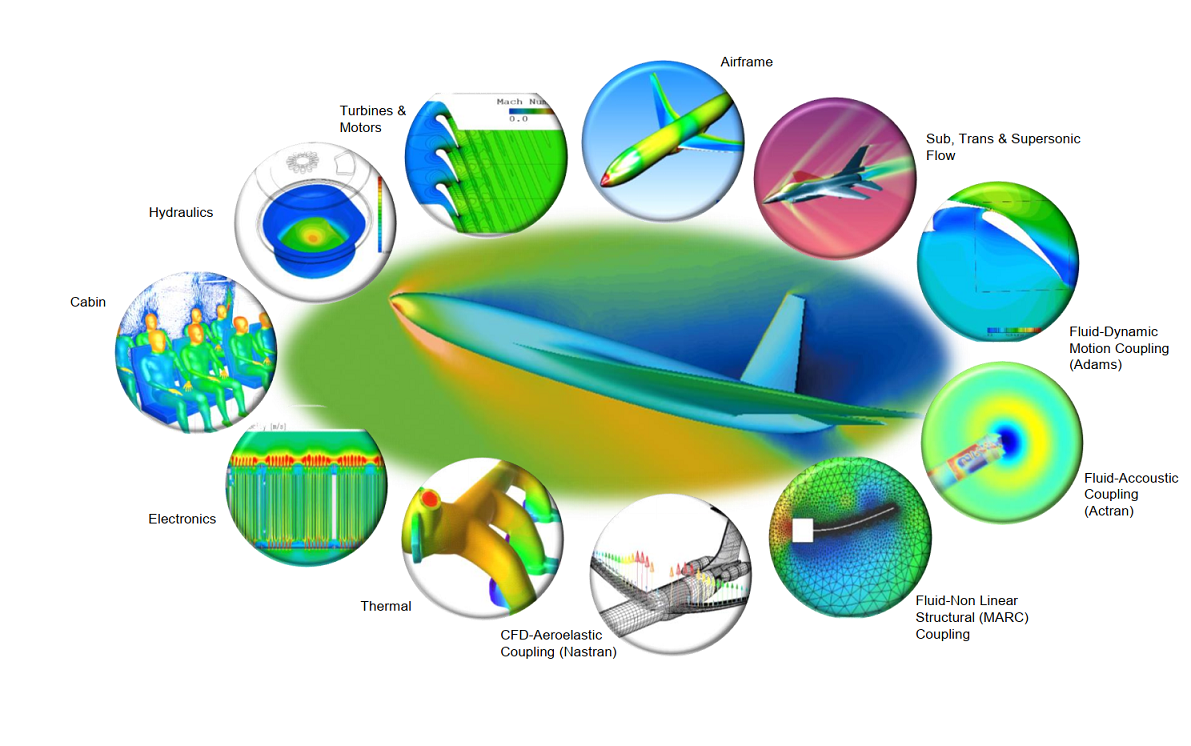
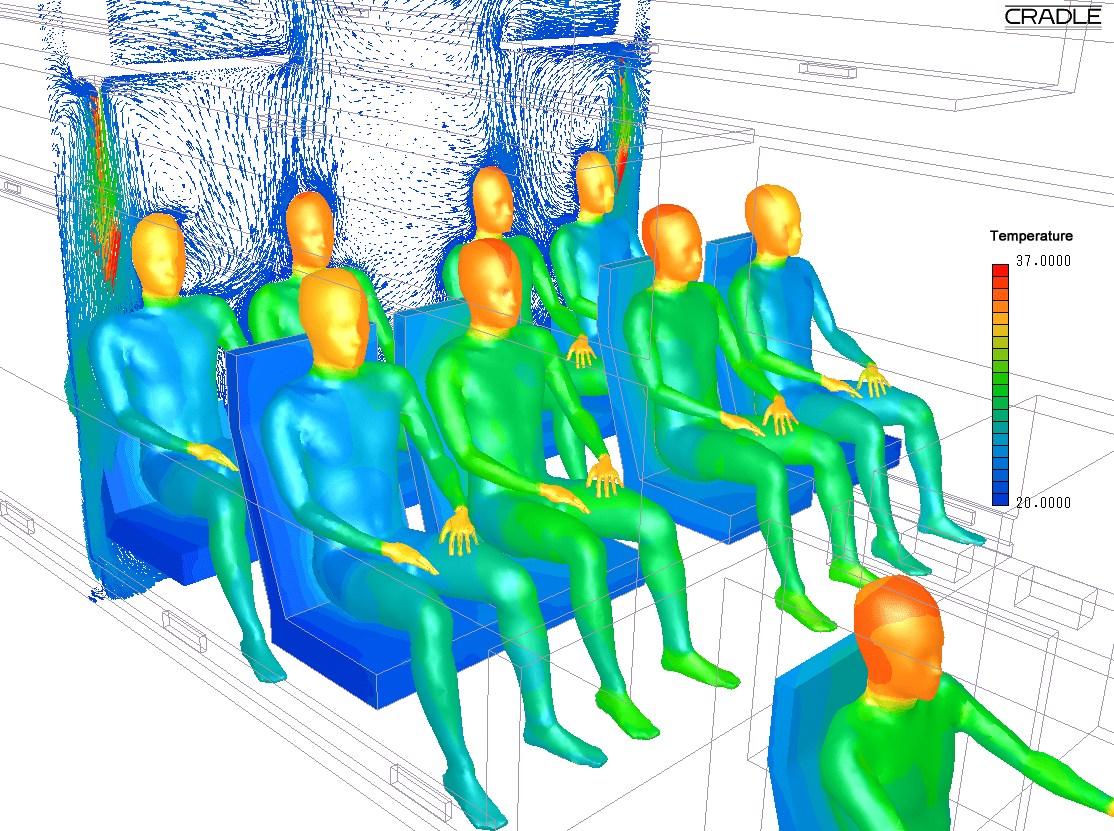 VTOL Cabin Thermal Comfort CFD
Passenger thermal comfort is a critical design criterion for VTOL/eVTOL cabins. Traditional mock-up tests are costly and time-intensive, yet provide only limited …
Open capability
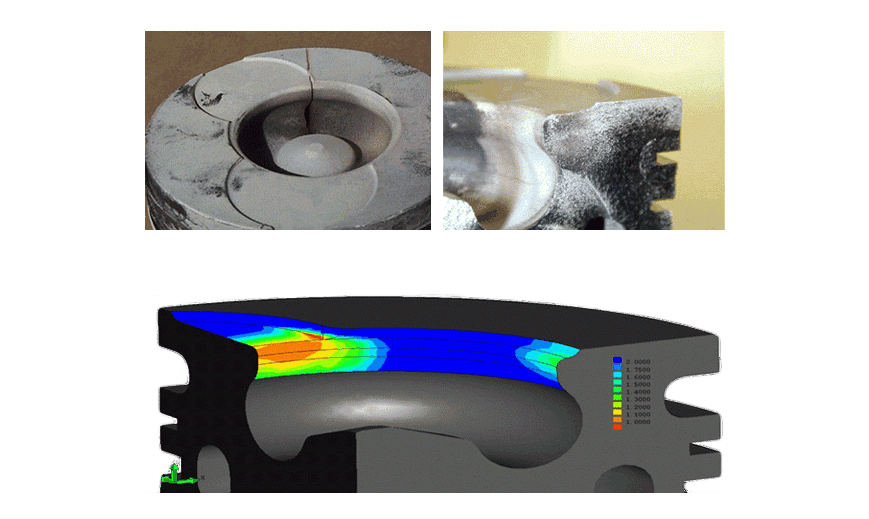 Finite Element Analysis of Vibration Fatigue
Structural vibration can induce fatigue, durability issues, and undesirable user reactions. Uncontrolled vibrations may impair functionality and pose safety risks. Vibration-fatigue simulations …
Open capability
 Defense Technical Information
Crash Survival Design Guide (DTIC) This five-volume guide presents criteria and data for crash-resistant Army aircraft, including design principles for landing gear …
Open capability
 European Union Aviation Safety Agency
EASA VTOL Means of Compliance The European Union Aviation Safety Agency publishes Means of Compliance (MOC) documents and related response reports for …
Open capability
 Vibroacoustics Performance Assessment
A true VTOL system design has complex challenges, particularly designing for a high thrust for hover while also reducing drag for cruise. …
Open capability
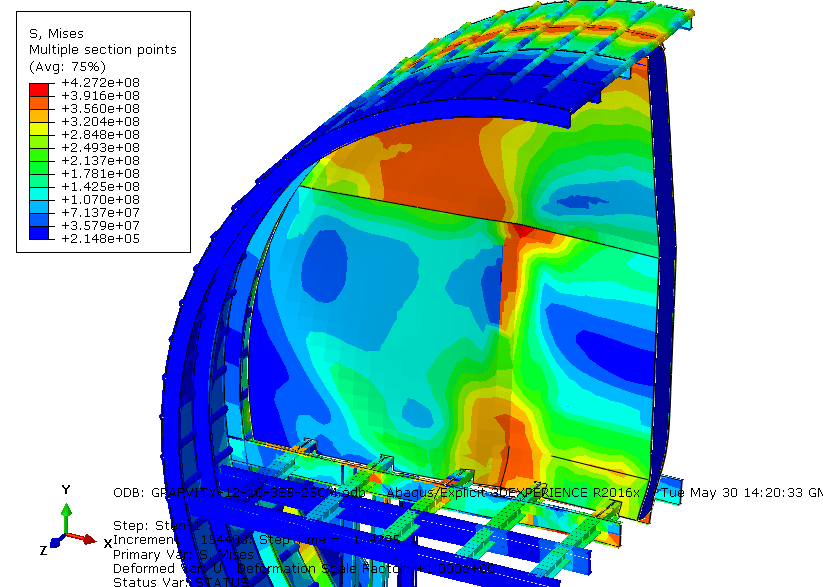 eVTOLs and UAM Crashworthiness Certification
Occupant safety is integral to the design, development, and operation of urban air mobility (UAM) systems. Emergency landing requirements in CFR & …
Open capability
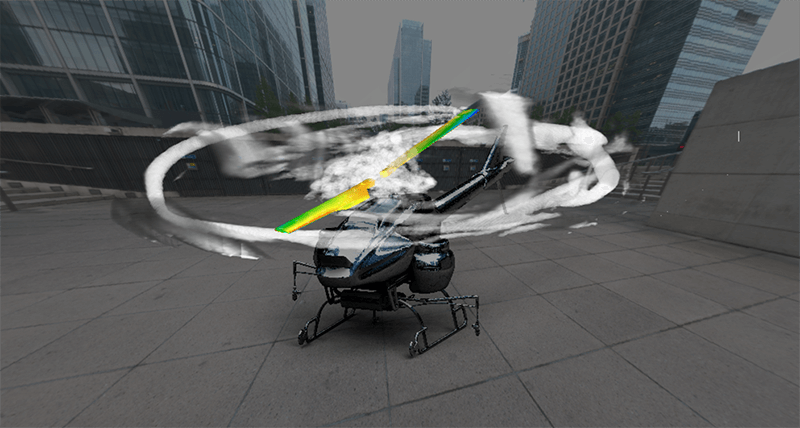 Ground Vibration Testing (GVT)
Airworthiness & GVT Certification Ground Vibration Testing (GVT) is a critical FAA & EASA milestone, yielding experimental vibration data to validate and …
Open capability
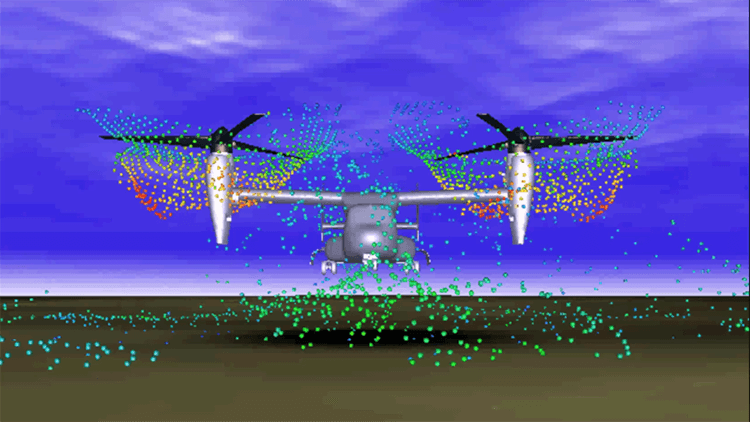 Aeroacoustics Wind Tunnel Testing
The airframe noise generated by landing gear, flaps, slats, and other high-lift devices is a major contributor to aircraft acoustic emissions during …
Open capability
Other Simulation Area
Working on nvh analysis for evtol & electro-motors?
Tell us the geometry, the physics and the decision it has to support.
Talk to an engineer