

Finite Element Thermal Analysis
Thermal Stress Simulation
Heat Transfer and Thermal Analysis: Fluid-Structure Interaction with Coupled CFD and Finite Element Based Simulation
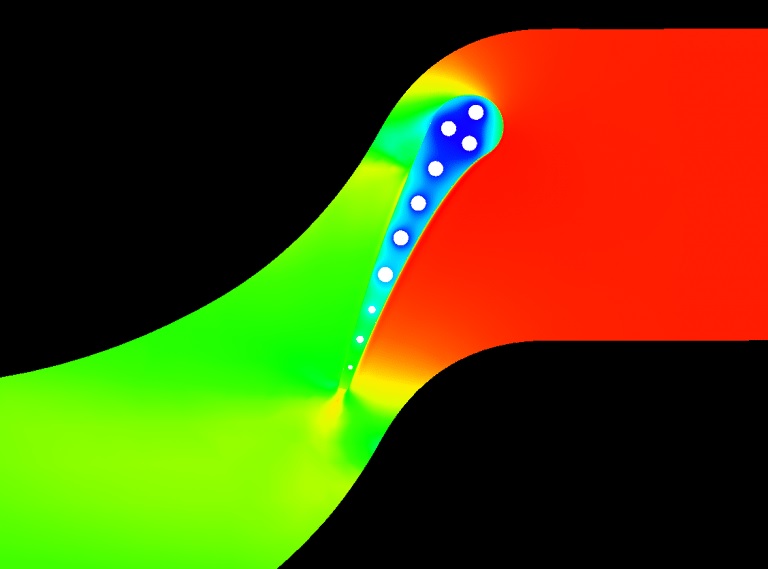
Thermal expansion is a common phenomenon that can lead to high levels of thermal stress, which can have both positive and negative effects on the performance of components and structures.
In some cases, thermal expansion can be beneficial, such as in shrink fit and bimetallic temperature sensor applications, where thermal stress can be used to improve the fit and accuracy of the components. However, in other cases, thermal stress can be detrimental to the performance and lifespan of components and structures, leading to deformation, cracking, or failure.
To optimize the effect of thermal expansion and minimize the risk of thermal stress-induced failure, it is essential to have a good thermal design that accounts for the thermal properties and behavior of the materials used in the components or structures.
By using advanced thermal design techniques and multiphysics coupling methods with CFD and FEA, our engineers can optimize the design of components and structures to minimize the effect of thermal expansion and reduce the risk of thermal stress-induced failure.
The wider discipline
Thermal Analysis
The effects of heat and thermal management of structures is more and more critical as performance limits are pushed further by the need to have lighter, smaller and more efficient designs. Convection, radiation and conduction loads are obvious, but the need to include the effect of power losses and thermal energy from friction and external sources such as pipe flows means that analysts need to have more tools at their disposal to simulate thermal models accurately.
To accurately simulate thermal models and manage heat effectively, analysts must have access to …
To accurately simulate thermal models and manage heat effectively, analysts must have access to …
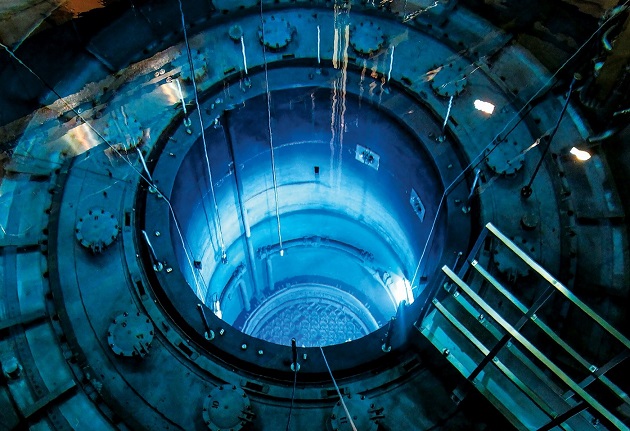
More in Thermal Analysis
View the section →
Capabilities that sit beside this one
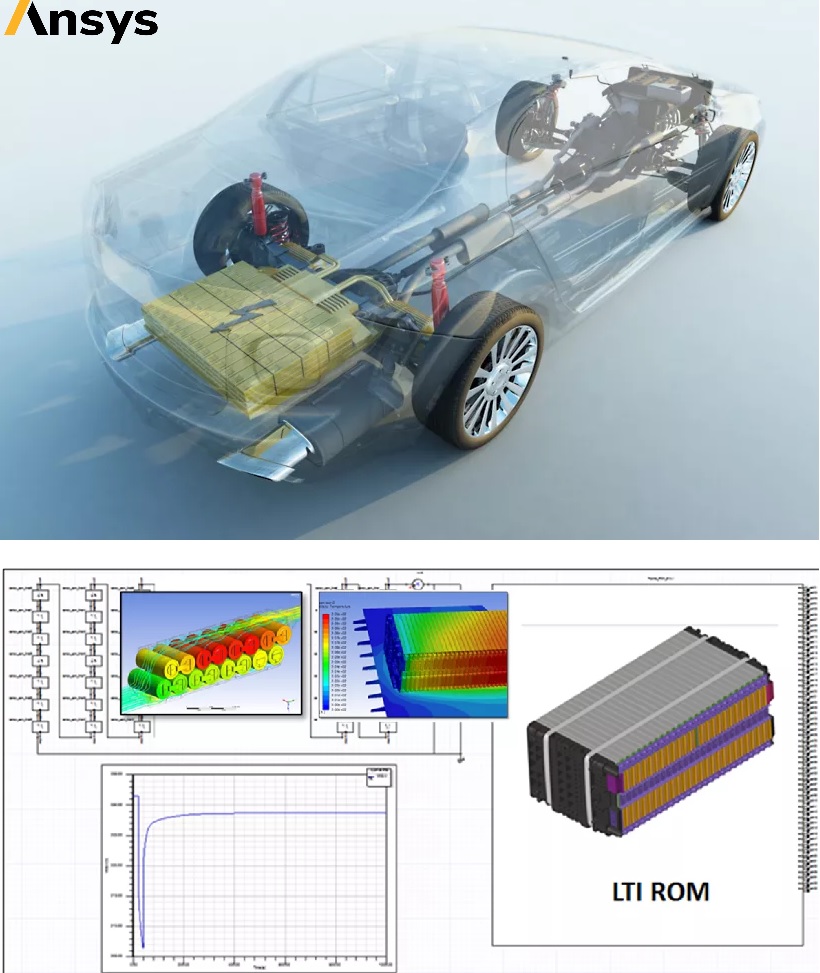 Vehicle Thermal Management Simulation
Extending from steady-state to transient simulation is essential in investigating the real conditions of vehicle driving cycles. This enables engineers to accurately …
Open capability
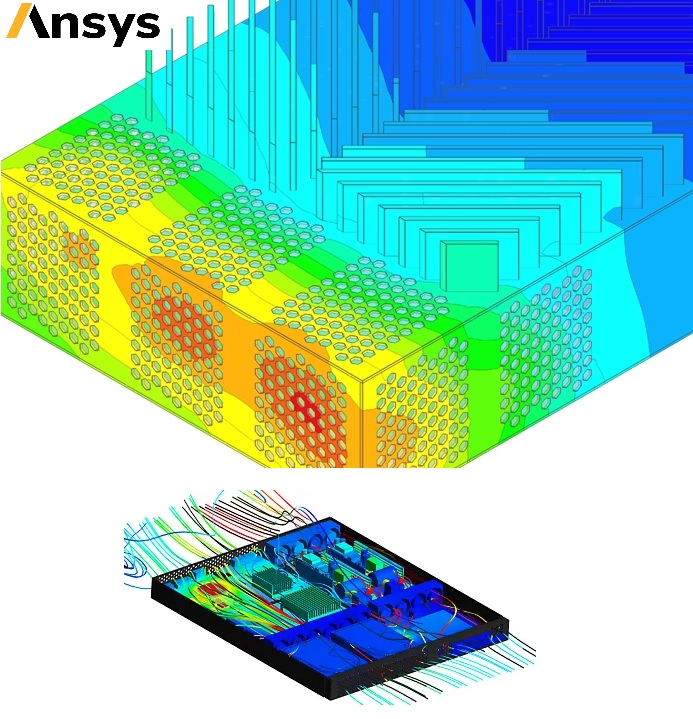 Electronic Systems Cooling & Heating
In the design phase of electronic devices, CFD and FEA based heat transfer software can be used to analyze the cooling capacity …
Open capability
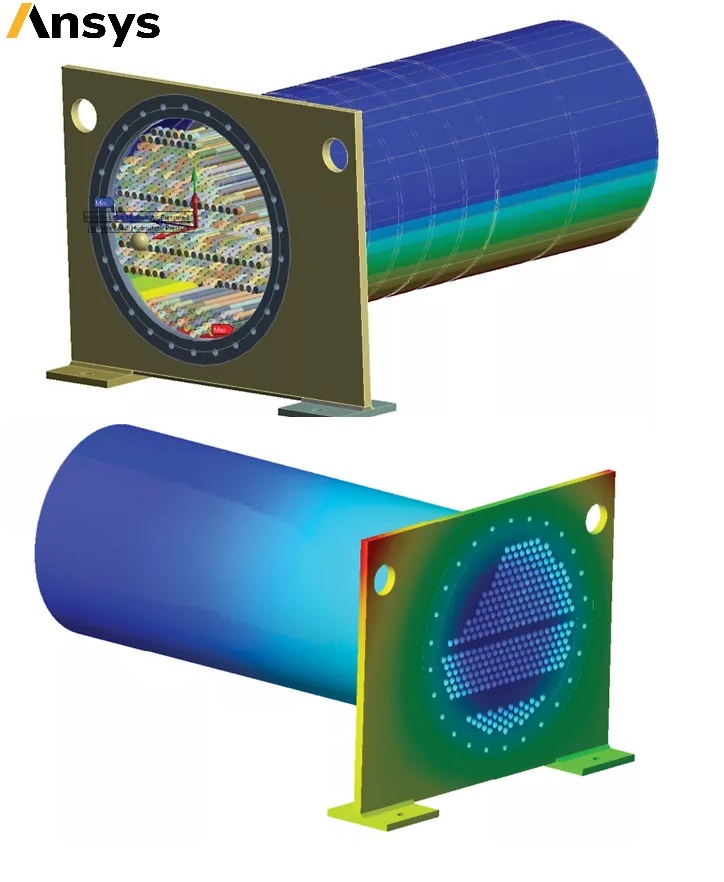 Heat Exchangers
Heat exchangers are involved in a variety of application areas, such as water treatment, resource refinery, nuclear power, food and beverage production, …
Open capability
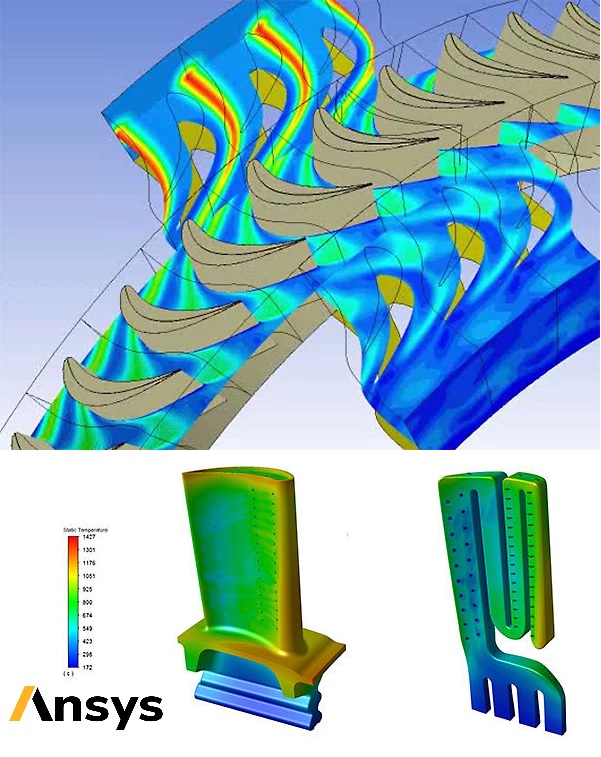 Heat Transfer Simulations for Turbomachinery Systems
Most machines, especially those that operate under high-heat conditions such as turbines, boilers, and combustors, require strict control of thermal stresses and …
Open capability
 Passenger Thermal Comfort
The thermal and acoustic comfort of passengers is a critical design criterion for the air-conditioning and customization of a cabin. Engineers must …
Open capability
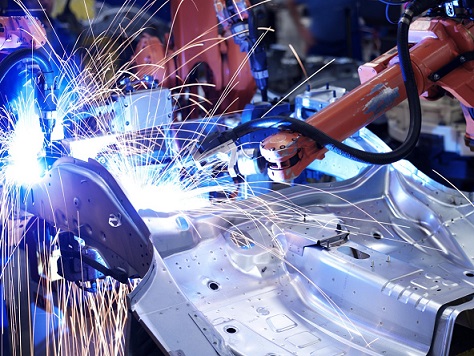 Stress Relief Heat Treatment
Stress relieving is a heat treatment process that reduces residual stresses in an assembly after welding. This process is important because residual …
Open capability
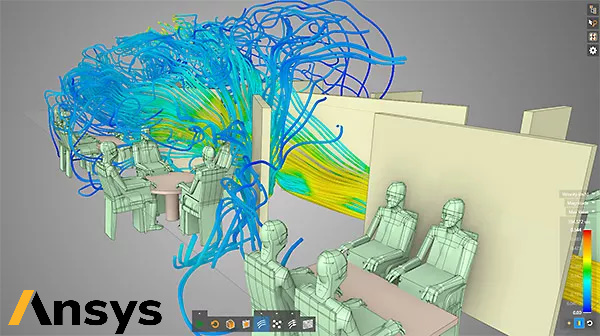 Thermal Management in Buildings: HVAC and Climate Control
Thermal management is crucial in the design of buildings, as it affects the comfort of occupants and the energy efficiency of the …
Open capability
Across Finite Element
Other Simulation Area
Acoustics and Vibration
NVH ( Noise, Vibration, and Harshness ) simulation services
Advanced NVH experimental and virtual tools are prerequisites for cost and time effective development minimizing pre-production troubleshooting effort …
Additive Manufacturing
Directed Energy & Laser Metal Deposition
By using advanced FEA software and high-performance computing (HPC) hardware, it is possible to simulate the thermal and …
Blast, Explosion & Fire
Design procedures for Blast and Explosion FEA & CFD analysis
Designing structures to withstand blast and explosion loads requires a rigorous and systematic approach. Key steps in the …
Composite Materials
Rubber Matrix Composite
Rubber-based components, such as tires, anti-vibration systems, seals, and hoses, rely on the properties of the rubber matrix …
Crash Test Simulation
Crashworthiness design of eVTOLs
The crashworthiness design of eVTOLs aircraft is critical to ensure the safety of passengers and crew in the …
Durability & Fatigue Life
Creep & Creep-Fatigue Interactions
To evaluate the durability of components subjected to both mechanical and thermal loads, it is important to consider …
Metal Forming Simulation
Hot Forging
Hot forging is a manufacturing process that involves shaping metals above their recrystallization temperature. During hot forging, the …
Multibody Dynamics
Control Systems
Control systems play a critical role in the performance and safety of many engineering systems, including machinery and …
Welding Simulation
Arc Welding
Arc welding processes, such as SMAW, GMAW (MIG), GTAW (TIG), SAW, and others, are widely used in various …
VTOL, eVTOL & UAM
Finite Element Analysis of Vibration Fatigue
Structural vibration can induce fatigue, durability issues, and undesirable user reactions. Uncontrolled vibrations may impair functionality and pose …
Working on thermal stress simulation?
Tell us the geometry, the physics and the decision it has to support.
Talk to an engineer