

Finite Element Crash Test Simulation
Crashworthiness design of eVTOLs
Finite Element Simulation of Crash Test and Crashworthiness with LS-Dyna, Abaqus and PAM-CRASH Including Airbag & Seat Belt Effectiveness, Electric Vehicles (EV), Trucks, Bus and eVTOL
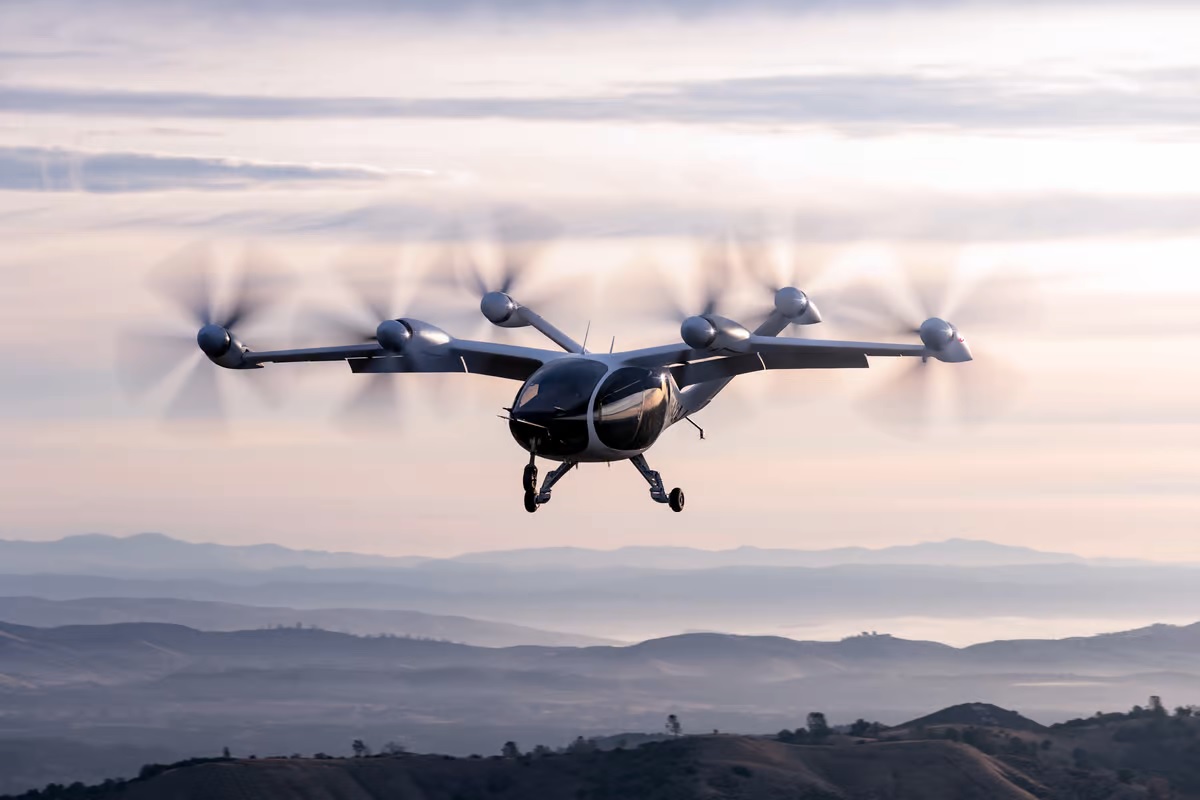
The crashworthiness design of eVTOLs aircraft is critical to ensure the safety of passengers and crew in the event of a crash or emergency landing. The design must consider various factors such as the type and location of crash energy absorption systems, crashworthy seating and restraint systems, and the structural integrity of the airframe and landing gear.
eVTOL manufacturers need to comply with the applicable regulatory standards and certification requirements, such as those issued by the Federal Aviation Administration (FAA) in the United States and the European Union Aviation Safety Agency (EASA) in Europe, to ensure the safety of the aircraft and its passengers.
Finite Element Analysis (FEA) is an essential tool for eVTOL manufacturers to simulate crash scenarios and optimize crashworthiness design. FEA allows our designers to test different configurations and materials virtually, reducing the need for physical testing, saving time and resources, and improving the safety and performance of the aircraft.
The wider discipline
Crash Test Simulation
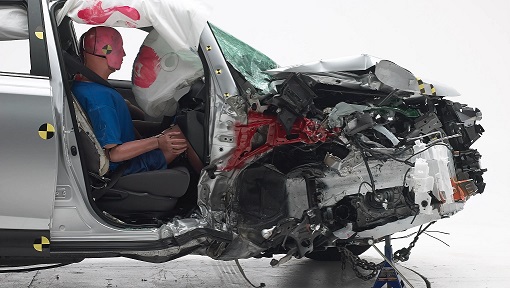
Here at OLTRION, we use finite element simulation (FEA) for crash test and crashworthiness because it allows us to predict the behavior of the car structure and occupants during a crash without the need for physical testing. FEA enables our engineers to create a computer model of the vehicle and simulate the crash scenario using various materials and structural designs.
By using advanced Finite element solvers such as Ansys LS-Dyna, ESI Pam-Crash and Simulia Abaqus, we can assess the structural integrity and crashworthiness of the vehicle's components, such as the …
By using advanced Finite element solvers such as Ansys LS-Dyna, ESI Pam-Crash and Simulia Abaqus, we can assess the structural integrity and crashworthiness of the vehicle's components, such as the …
More in Crash Test Simulation
View the section →
Capabilities that sit beside this one
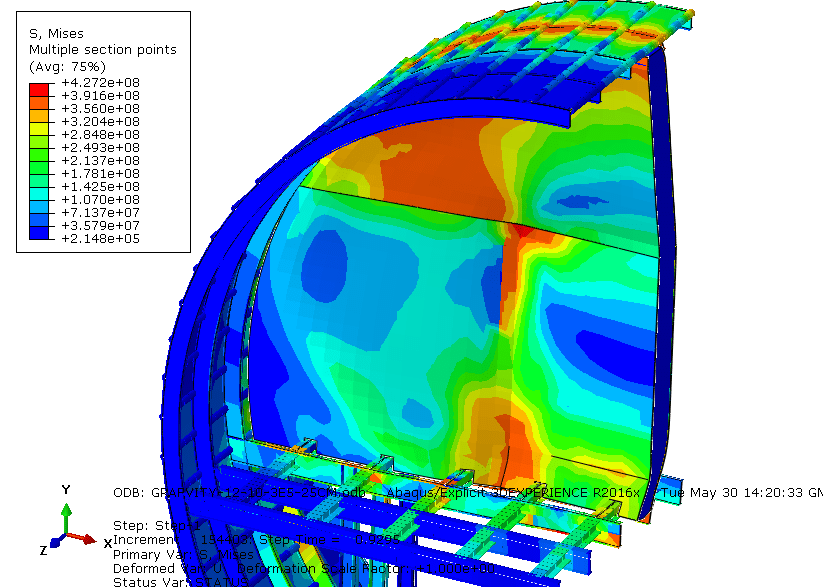 eVTOL Landing Gear and Airframe Crashworthiness
eVTOLs, or electric vertical takeoff and landing aircraft, are a new category of aircraft that are being developed for urban air mobility. …
Open capability
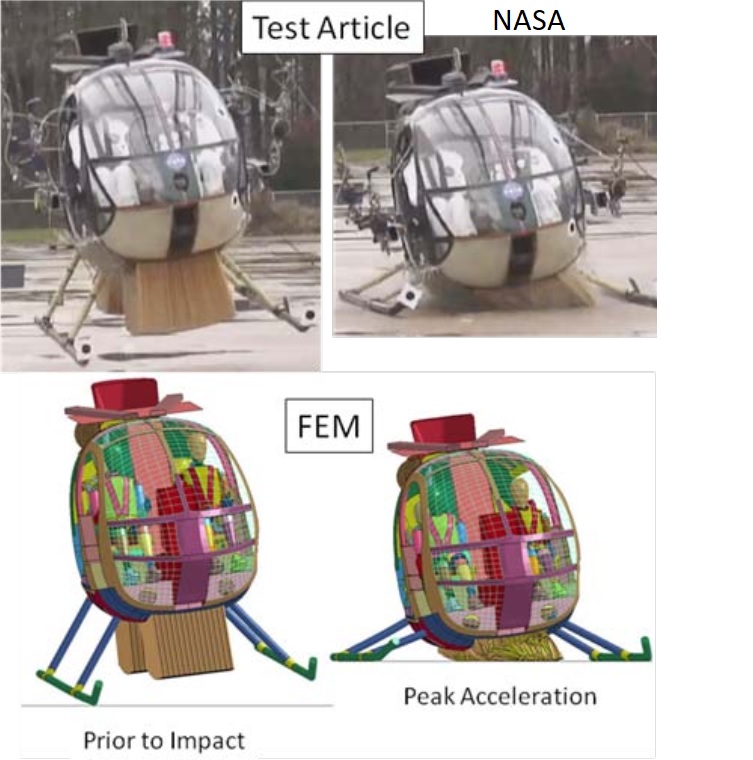 The main scenarios of crash tests
Key crash test scenarios: ▶ Frontal Impact: In this type of crash test, a car is propelled into a barrier at a …
Open capability
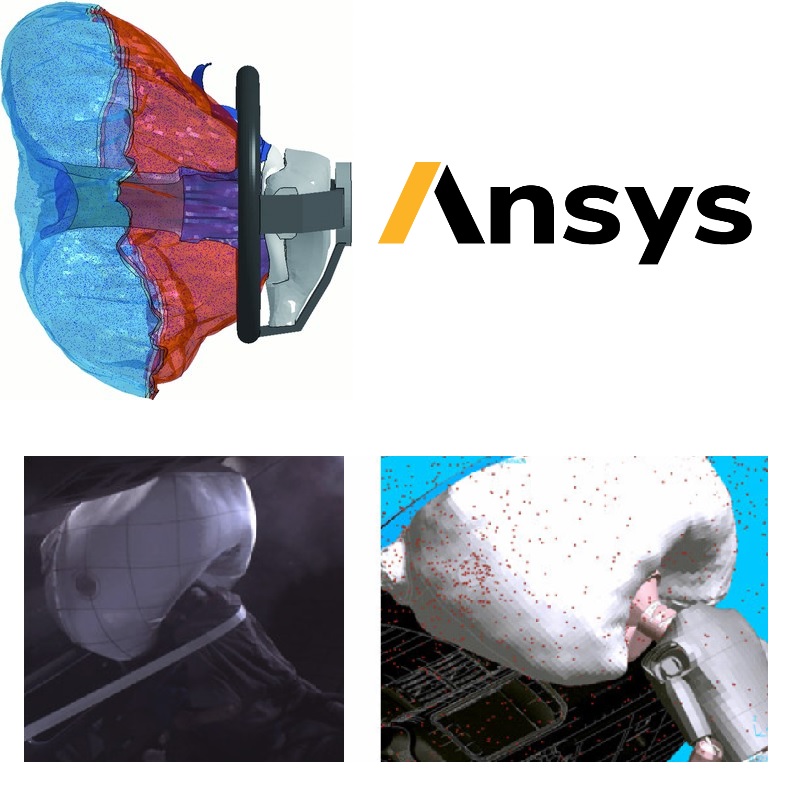 Airbag Effectiveness in Crash Test and crashworthiness
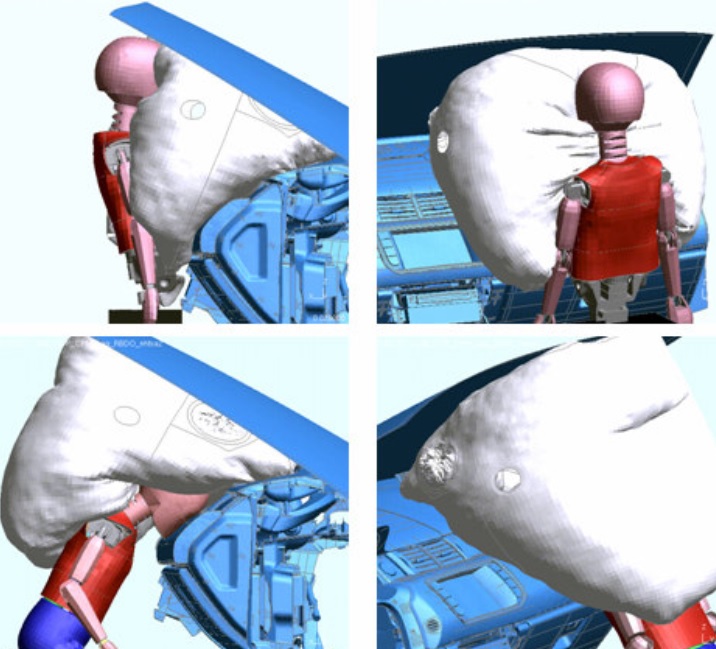
Airbags are an important safety feature in automobiles that can help reduce the risk of injury or death in a crash. They …
Open capability
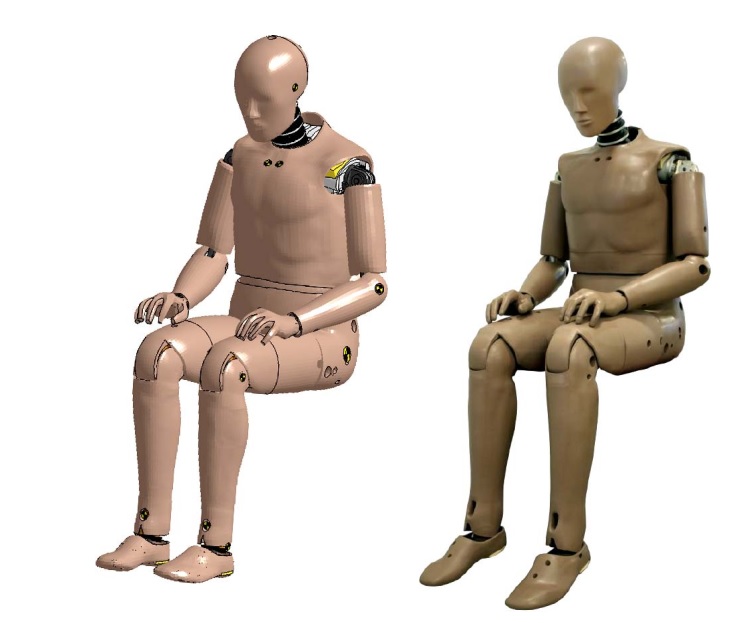 Dummies for crash Test Simulation
Dummies, also known as anthropomorphic test devices (ATDs), are essential tools for conducting crash test Finite Element simulations to evaluate the safety …
Open capability
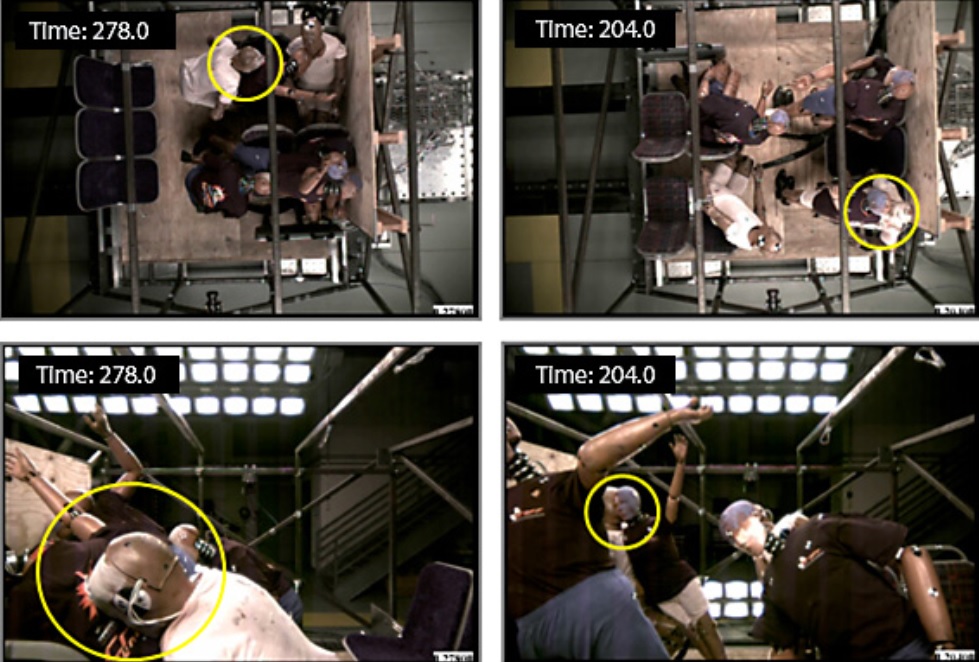 School Bus Crashworthiness
School buses are unique vehicles designed to carry children, and they require special safety features to ensure that passengers are protected in …
Open capability
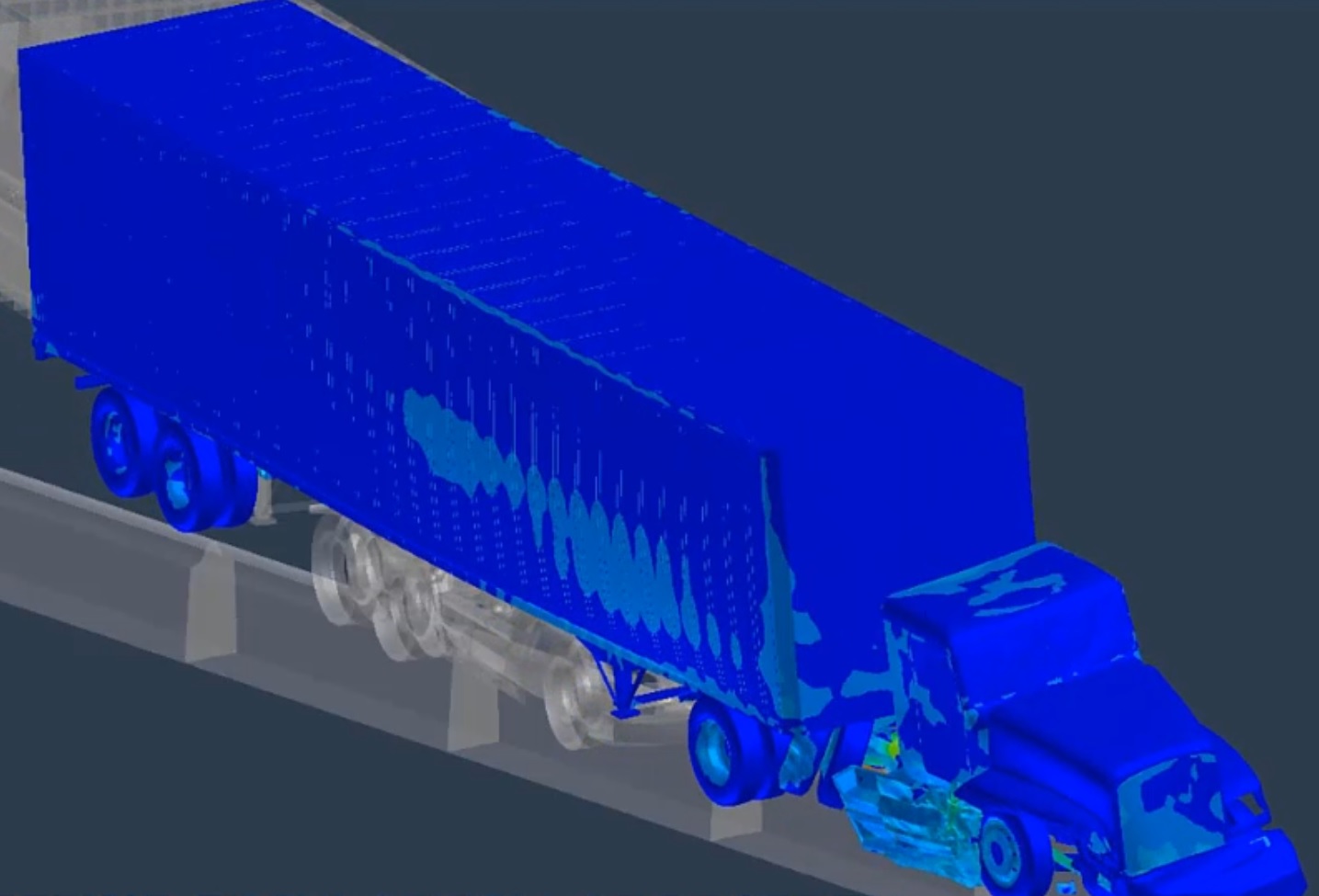 Small Overlap - Oblique Crash Test FEA Simulation
The small overlap or oblique crash test is a type of crash test that is designed to simulate a vehicle hitting a …
Open capability
 Occupant Restraint Systems
 (ORS) are an essential component of automobile safety. They are designed to keep the occupants of a vehicle safe …
Open capability
Across Finite Element
Other Simulation Area
Acoustics and Vibration
NVH ( Noise, Vibration, and Harshness ) simulation services
Advanced NVH experimental and virtual tools are prerequisites for cost and time effective development minimizing pre-production troubleshooting effort …
Additive Manufacturing
Directed Energy & Laser Metal Deposition
By using advanced FEA software and high-performance computing (HPC) hardware, it is possible to simulate the thermal and …
Blast, Explosion & Fire
Design procedures for Blast and Explosion FEA & CFD analysis
Designing structures to withstand blast and explosion loads requires a rigorous and systematic approach. Key steps in the …
Composite Materials
Rubber Matrix Composite
Rubber-based components, such as tires, anti-vibration systems, seals, and hoses, rely on the properties of the rubber matrix …
Durability & Fatigue Life
Creep & Creep-Fatigue Interactions
To evaluate the durability of components subjected to both mechanical and thermal loads, it is important to consider …
Metal Forming Simulation
Hot Forging
Hot forging is a manufacturing process that involves shaping metals above their recrystallization temperature. During hot forging, the …
Multibody Dynamics
Control Systems
Control systems play a critical role in the performance and safety of many engineering systems, including machinery and …
Thermal Analysis
Thermal Stress Simulation
Thermal expansion is a common phenomenon that can lead to high levels of thermal stress, which can have …
Welding Simulation
Arc Welding
Arc welding processes, such as SMAW, GMAW (MIG), GTAW (TIG), SAW, and others, are widely used in various …
VTOL, eVTOL & UAM
Finite Element Analysis of Vibration Fatigue
Structural vibration can induce fatigue, durability issues, and undesirable user reactions. Uncontrolled vibrations may impair functionality and pose …
Working on crashworthiness design of evtols?
Tell us the geometry, the physics and the decision it has to support.
Talk to an engineer