

Finite Element Welding Simulation
Welding Stress Relief Heat Treatment
FEA (Finite Element) Welding Simulation: RSW (Resistance Spot Welding), FSW (Friction Stir Welding), Pressure Welding, Arc, Electron and Laser Beam Welding
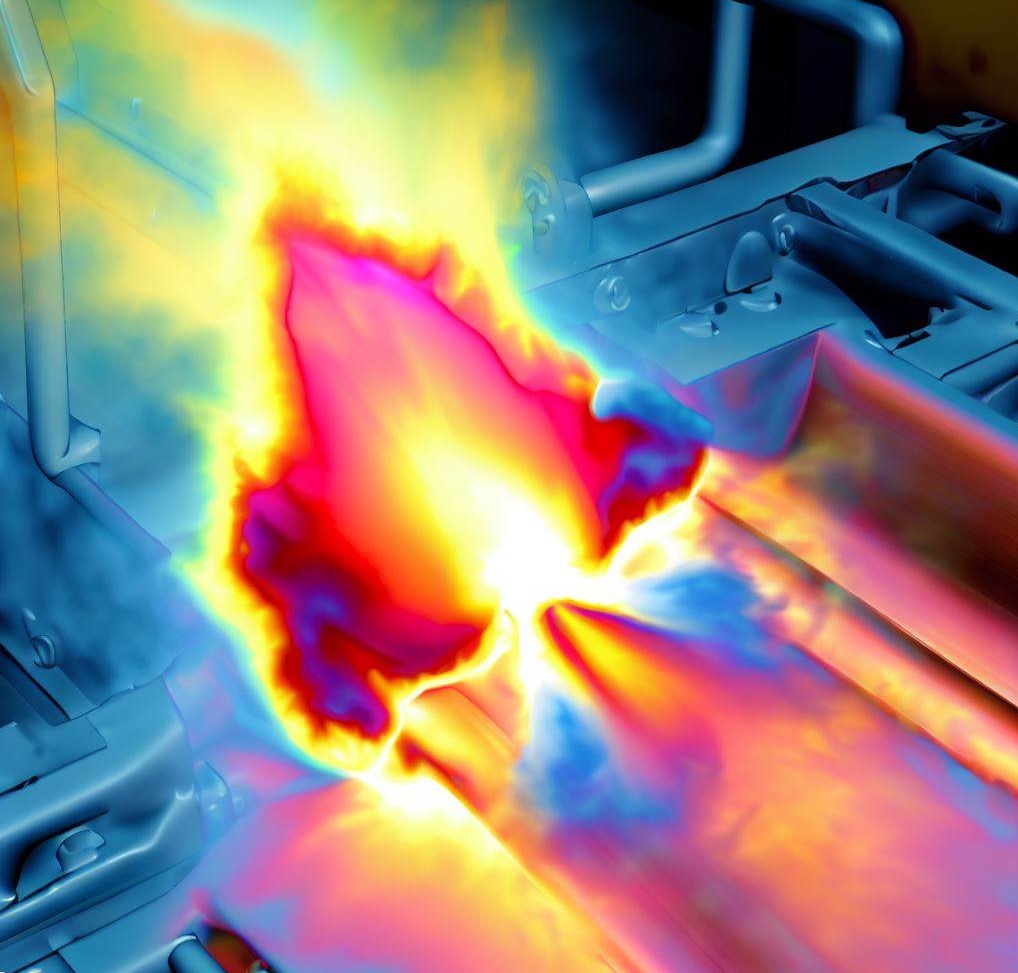
Stress relieving is a heat treatment process that is commonly used after welding to reduce residual stresses in the assembly. The process involves heating the metal to a specific temperature and holding it there for a certain amount of time, followed by controlled cooling.
The Stress Relief Heat Treatment process includes the definition of time-temperature curves for the heating, holding, and cooling phases. The curves are designed to ensure that the metal is heated and cooled at a rate that will reduce residual stresses without causing any additional distortion or cracking.
FEA Stress relief simulation is conducted taking into account two mechanisms: Stress relaxation due to decreased yield stress of the material during heating and time-dependent creep properties of the material. The simulation calculates the temperature distribution, thermal gradients, and residual stresses in the welded assembly after the stress relieving heat treatment process.
The main goal of stress relieving is to improve the overall structural integrity of the assembly. Residual stresses can cause distortion, warping, and cracking in the metal, leading to premature failure. By reducing these stresses through stress relieving, the assembly can perform more reliably and have a longer service life.
The wider discipline
Welding Simulation
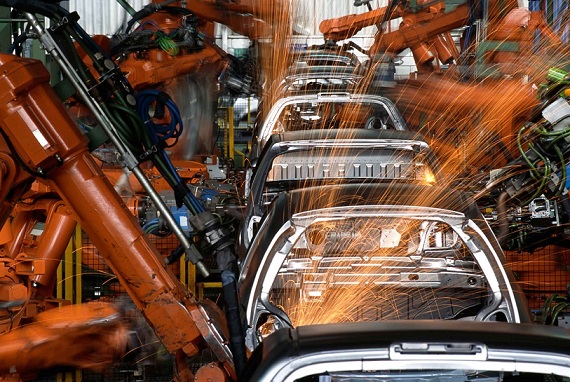
OLTRION engineers simulate the Welding with innovative CAE and virtual prototyping available in the non-linear structural codes such as LS-DYNA, Ansys and ABAQUS. The Finite element analysis of welding include Arc Welding, laser Beam Welding, RSW, FSW and transfer the results of welding simulation for next simulation like NVH, Crash test, Tension, Compression and shear test and fatigue simulation.
More in Welding Simulation
View the section →
Capabilities that sit beside this one
 Arc Welding
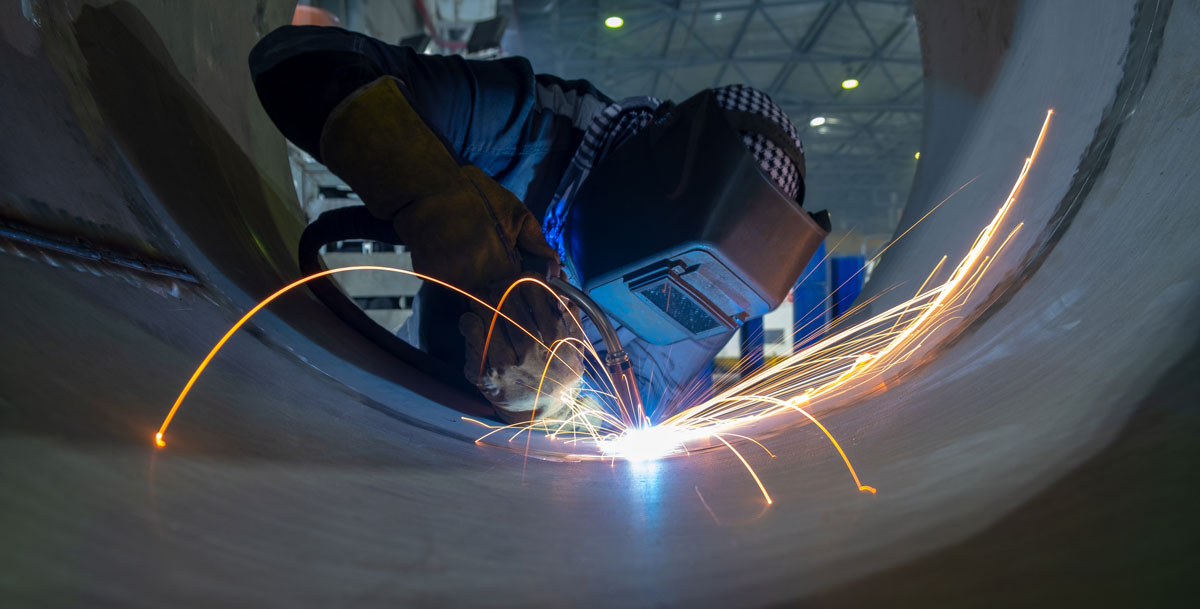
Arc welding processes, such as SMAW, GMAW (MIG), GTAW (TIG), SAW, and others, are widely used in various industries due to their …
Open capability
 Finite Element Simulation of Brazing
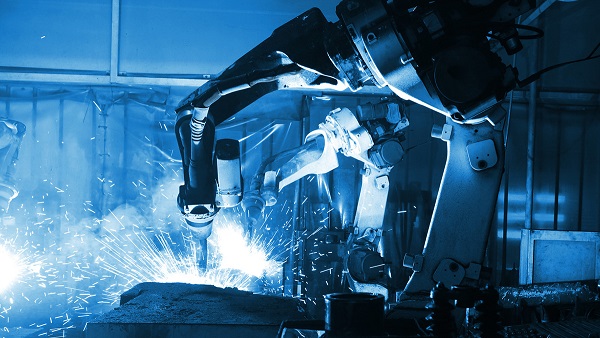
Brazing is a thermal joining process that uses a melted filler material to connect metal components. The filler material typically has a …
Open capability
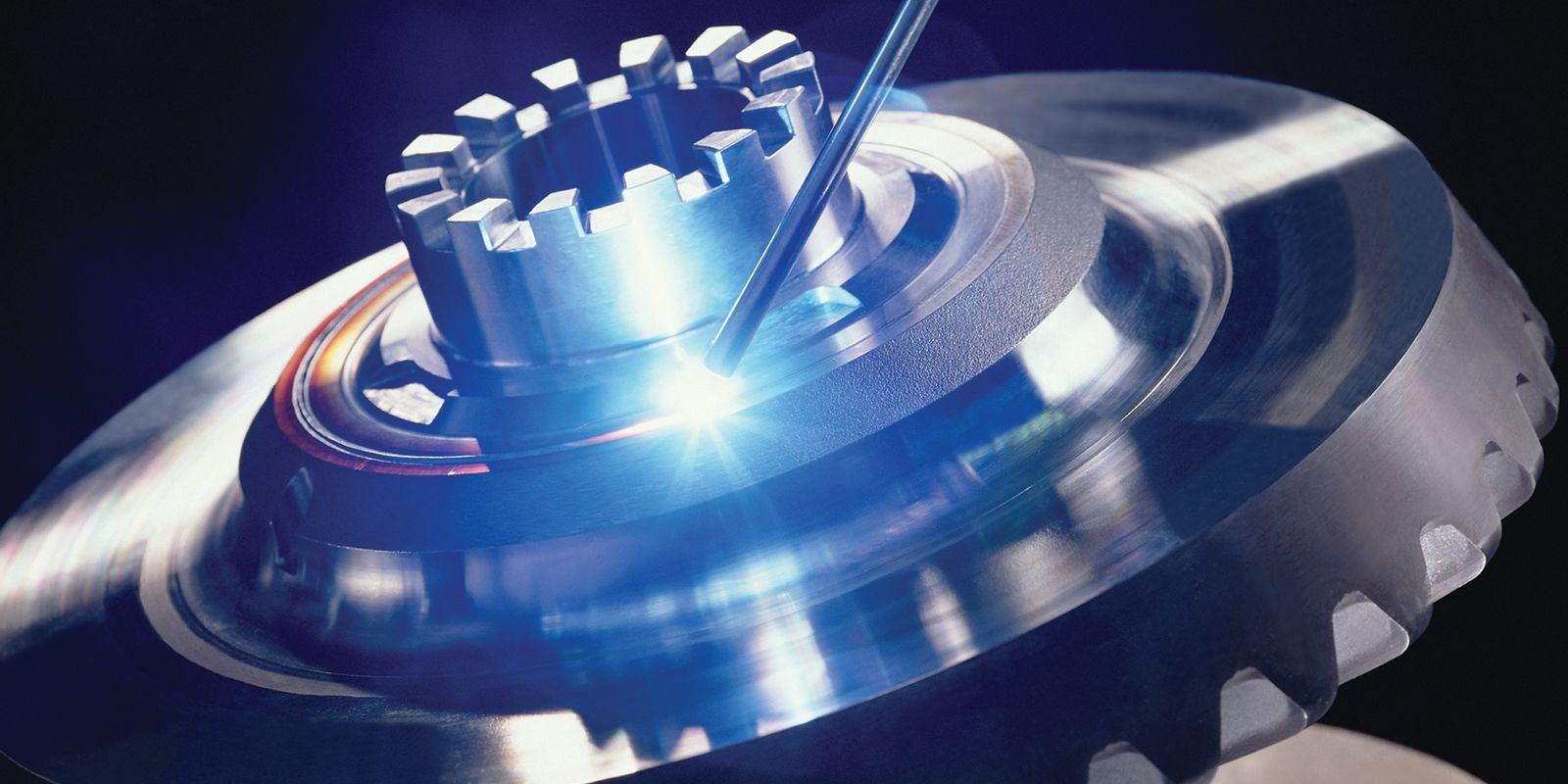 Laser and Electron Beam Welding FEA Simulation
Laser beam welding is a process that uses a high-energy laser beam to heat and weld metal components together. The laser beam …
Open capability
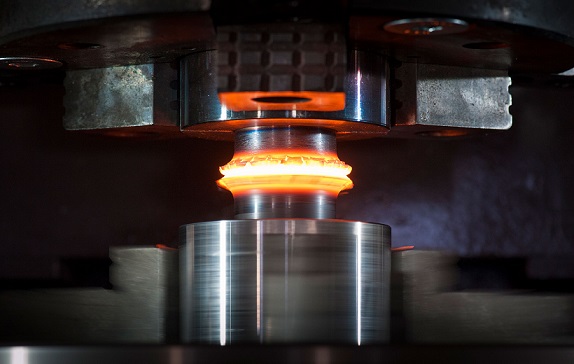 Pressure Welding
Pressure welding is a group of joining processes that use heat and pressure to join components together. These processes can be categorized …
Open capability
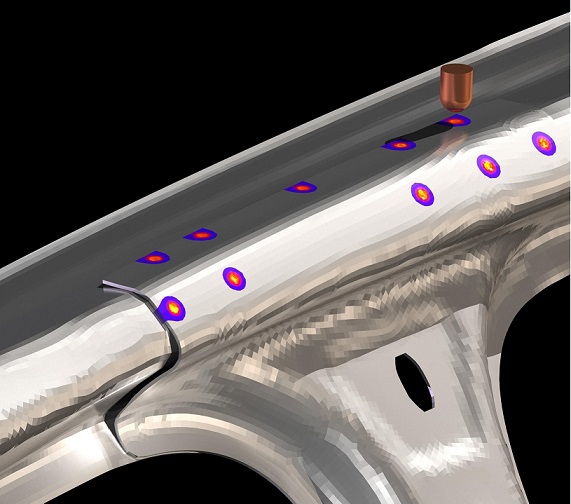 Resistance Spot Welding
 (RSW) is a pressure welding process used to join two metal sheets together. In RSW, copper electrode welding guns …
Open capability
Across Finite Element
Other Simulation Area
Acoustics and Vibration
Audio & Consumer Electronic Device Design
The engineering process of audio devices is unique because the complete audio system must be tested, taking into …
Additive Manufacturing
Generative Design & Lattice Structures: Topology, Shape and Bead Optimization
Generative Design is an innovative approach to product design that leverages topology optimization, artificial intelligence, and advanced simulation …
Blast, Explosion & Fire
Engineering simulation FEA & CFD software packages for Blast, Explosion and Fire Simulation
There are several engineering simulation software packages that can be used for blast and explosion simulations. These packages …
Composite Materials
Plastic materials
Designing plastic materials reinforced with glass and/or carbon fibers is a complex process that requires consideration of many …
Crash Test Simulation
Occupant Restraint Systems
Occupant Restraint Systems (ORS) are an essential component of automobile safety. They are designed to keep the occupants …
Durability & Fatigue Life
Composites Fatigue Simulation
The Composite Analysis allows us to evaluate the strength of a structure against industry standard composite failure criteria. …
Metal Forming Simulation
Cold Forming
Regarding cold forming, it is true that it is restricted to easily formable materials, or materials that can …
Multibody Dynamics
Complicated Machinery & Mechanical Drive Systems
MBD simulation, or multi-body dynamics simulation, is a powerful tool used by engineers to simulate and analyze the …
Thermal Analysis
Thermal Management in Buildings: HVAC and Climate Control
Thermal management is crucial in the design of buildings, as it affects the comfort of occupants and the …
VTOL, eVTOL & UAM
VTOL Cabin Thermal Comfort CFD
Passenger thermal comfort is a critical design criterion for VTOL/eVTOL cabins. Traditional mock-up tests are costly and time-intensive, …
Working on welding stress relief heat treatment?
Tell us the geometry, the physics and the decision it has to support.
Talk to an engineer