

Finite Element Welding Simulation
Resistance Spot Welding
FEA (Finite Element) Welding Simulation: RSW (Resistance Spot Welding), FSW (Friction Stir Welding), Pressure Welding, Arc, Electron and Laser Beam Welding
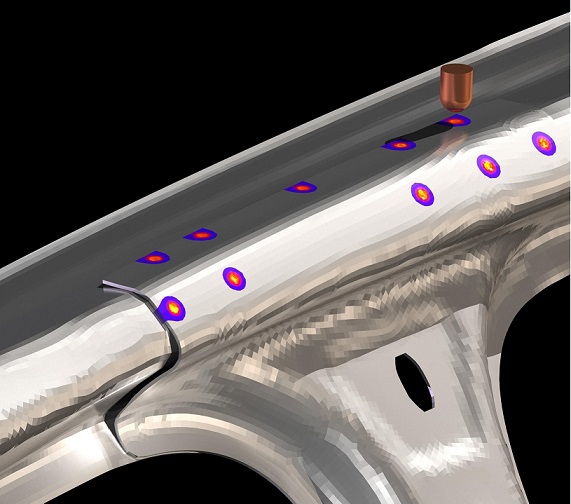
Resistance Spot Welding (RSW) is a pressure welding process used to join two metal sheets together. In RSW, copper electrode welding guns are used to press the sheets together, while an electrical current is passed through them. The heat generated by the electrical current melts the sheets together, creating a small circular welded area between them.
The RSW process is commonly used in the automotive industry for welding body panels and other sheet metal components. It offers several advantages over other welding processes, including high speed, low cost, and the ability to produce consistent, high-quality welds.
To simulate the RSW process, engineers use computer-aided engineering (CAE) software to model the electrical, thermal, metallurgical, and mechanical behavior of the joint. The software calculates the heat generated by Joule's heating, which is the heating effect caused by the electrical current passing through the metal.
The standard approach in an RSW model involves fully coupled electrical, thermal, metallurgical, and mechanical steps. This means that the software takes into account the electrical resistance, thermal conductivity, melting, and solidification of the metal, as well as the mechanical forces involved in the welding process.
By simulating the RSW process, our engineers can optimize the design of the joint and identify potential issues before the welding takes place. This helps ensure that the joint will meet the required specifications and perform reliably in the intended application.
The wider discipline
Welding Simulation
OLTRION engineers simulate the Welding with innovative CAE and virtual prototyping available in the non-linear structural codes such as LS-DYNA, Ansys and ABAQUS. The Finite element analysis of welding include Arc Welding, laser Beam Welding, RSW, FSW and transfer the results of welding simulation for next simulation like NVH, Crash test, Tension, Compression and shear test and fatigue simulation.

More in Welding Simulation
View the section →
Capabilities that sit beside this one
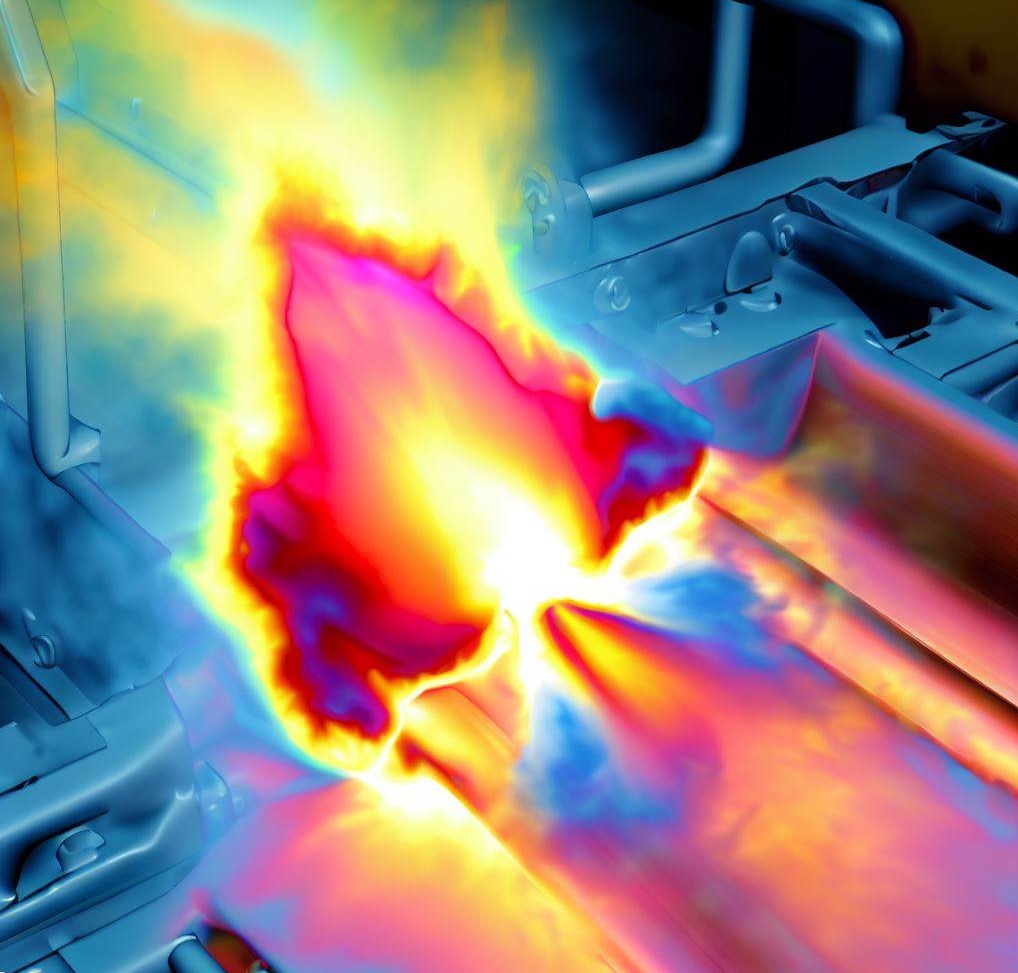 Welding Stress Relief Heat Treatment
Stress relieving is a heat treatment process that is commonly used after welding to reduce residual stresses in the assembly. The process …
Open capability
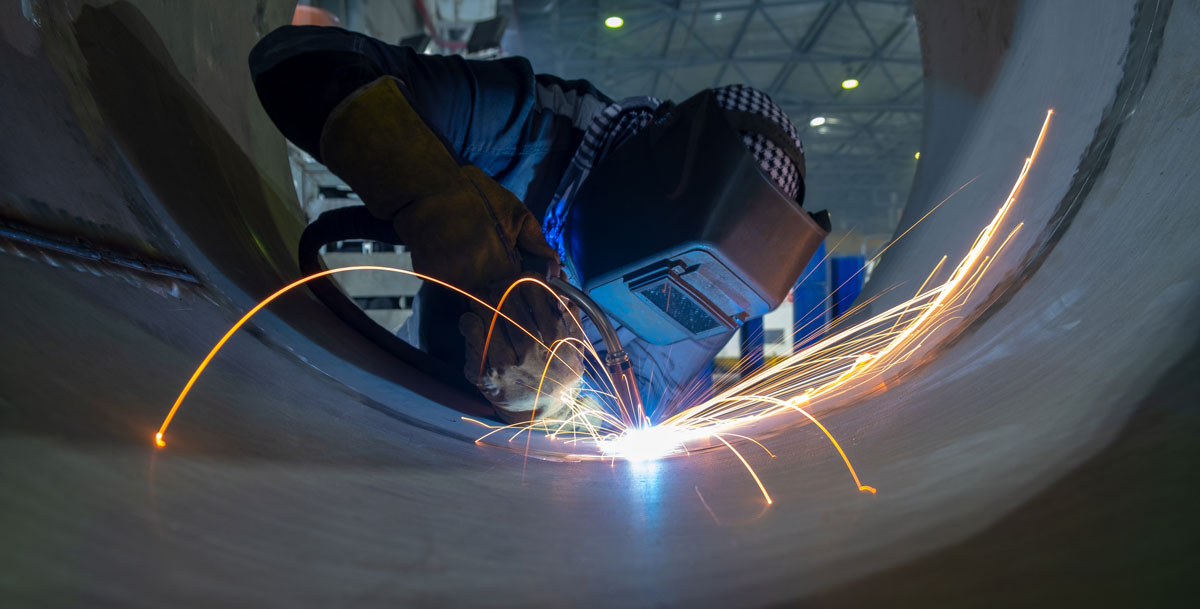 Arc Welding
Arc welding processes, such as SMAW, GMAW (MIG), GTAW (TIG), SAW, and others, are widely used in various industries due to their …
Open capability
 Finite Element Simulation of Brazing
Brazing is a thermal joining process that uses a melted filler material to connect metal components. The filler material typically has a …
Open capability
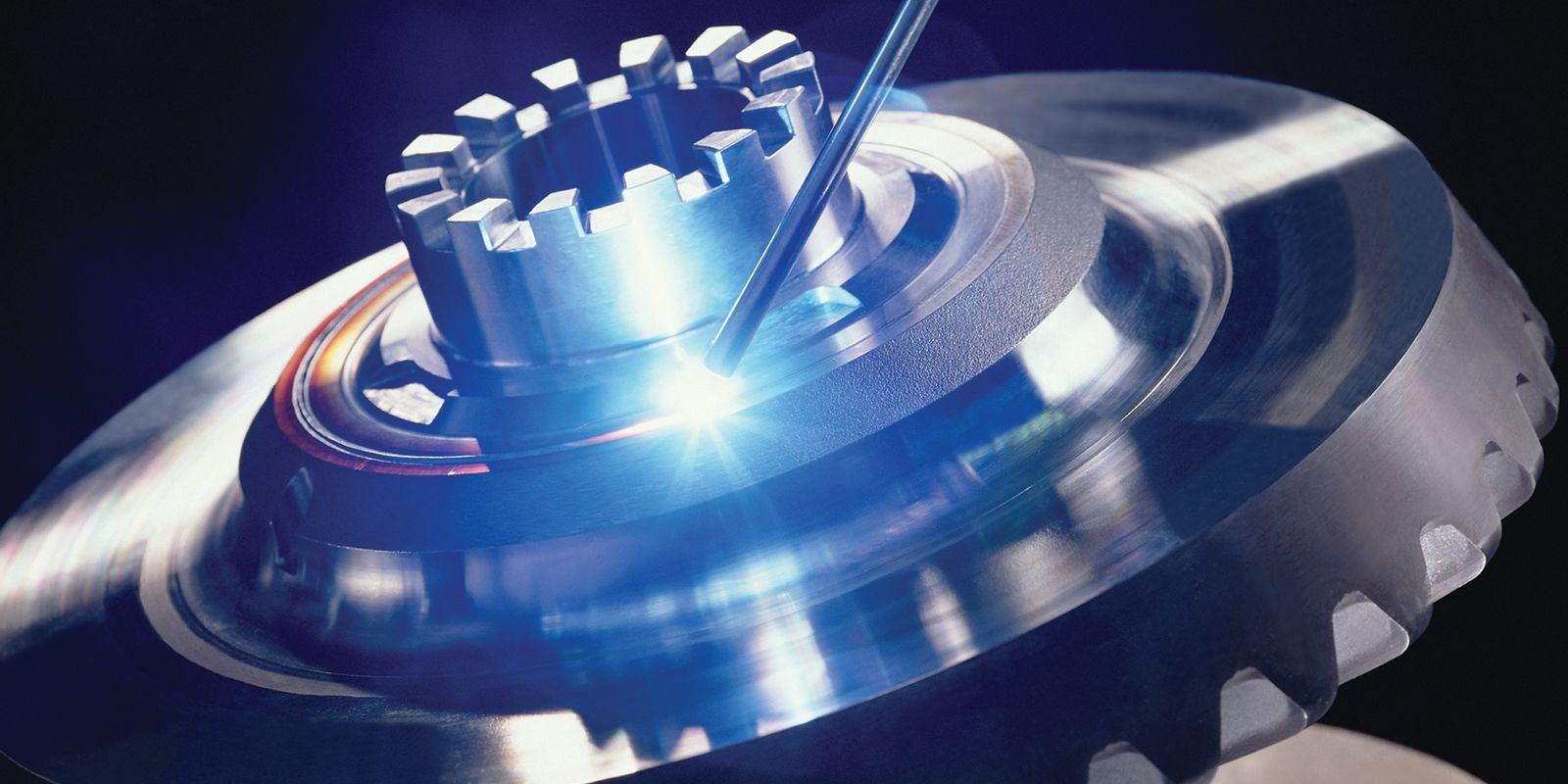 Laser and Electron Beam Welding FEA Simulation
Laser beam welding is a process that uses a high-energy laser beam to heat and weld metal components together. The laser beam …
Open capability
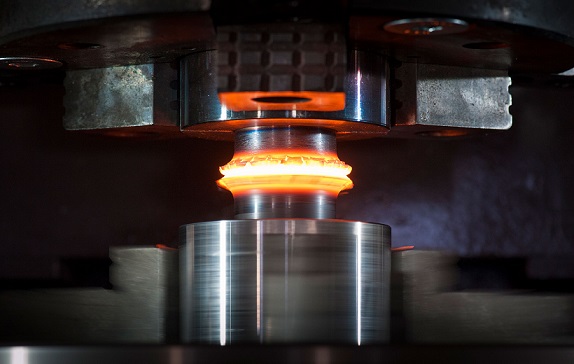 Pressure Welding
Pressure welding is a group of joining processes that use heat and pressure to join components together. These processes can be categorized …
Open capability
Across Finite Element
Other Simulation Area
Acoustics and Vibration
Shipbuilding Noise Engineering
Accurate noise prediction models are crucial for designing marine applications that meet customer expectations for on-board noise levels. …
Additive Manufacturing
Powder Bed Fusion
Powder Bed Fusion (PBF) is an additive manufacturing technique that uses a heat source, typically a laser or …
Blast, Explosion & Fire
Arbitrary Lagrangian-Eulerian (ALE)
The Arbitrary Lagrangian-Eulerian (ALE) method is a numerical technique that combines the advantages of both the Lagrangian and …
Composite Materials
Hard Metal
Hard metals, also known as cemented carbides, are composite materials that are made up of a metal matrix …
Crash Test Simulation
Small Overlap - Oblique Crash Test FEA Simulation
The small overlap or oblique crash test is a type of crash test that is designed to simulate …
Durability & Fatigue Life
Vibration Fatigue Simulation
structural vibration can lead to various issues in products, such as fatigue and durability problems, adverse reactions to …
Metal Forming Simulation
Sheet Metal Forming
Advanced finite element analysis (FEA) tools such as Ansys, LS-Dyna and Abaqus can be used for sheet metal …
Multibody Dynamics
Vehicle MultiBody Dynamics Simulation: Car Ride, Driveline, Engine and Tire MBD
Multi-body dynamic (MBD) simulation is a powerful tool for analyzing and optimizing the performance of different subsystems within …
Thermal Analysis
Stress Relief Heat Treatment
Stress relieving is a heat treatment process that reduces residual stresses in an assembly after welding. This process …
VTOL, eVTOL & UAM
NVH Analysis for eVTOL & Electro-Motors
FEA-based simulation in electromagnetic multiphysics environments delivers critical insights for Noise, Vibration & Harshness (NVH) analysis of electrical …
Working on resistance spot welding?
Tell us the geometry, the physics and the decision it has to support.
Talk to an engineer