

Industries Seat Design
FMVSS 202a: Head Restraints – Methodology and Equipment for the Static and Dynamic Test
Aircraft and Automotive Seat Design: Finite Element and CFD Simulation for Static & Dynamic Comfort, Whiplash, Acoustic & Thermal Comfort, Vibration, and Crash Test
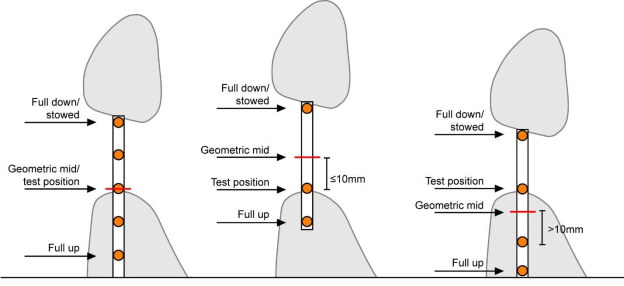
In the proposed FMVSS No. 202a, manufacturers were given the option of meeting either of two sets of requirements. The first set was a comprehensive group of dimension and strength requirements, compliance with which is measured statically. The second set was made of requirements that would have to be met in a dynamic test. NHTSA (National Highway Traffic Safety Administration) in FMVSS 202a, Head Restraints, specifies requirements for head restraints to reduce the frequency and severity of neck injury in rear-end and other collisions.
The standard applies to each front and rear outboard Designated Seating Position with a head restraint, and allows head restraints to be tested either dynamically or statically. Exceptions are made for school buses; refer to the Code of Federal Regulations for the specific exceptions. This test procedure covers the static requirements. Finite element simulation software, such as Ansys LS-DYNA, Simulia Abaqus, ESI Pam-Crash and Altair RADIOSS, is used by our engineers with special-purpose dummies to simulate head restraints based on FMVSS 202a in order to reduce the frequency and severity of neck injury in rear-end and other collisions.
Other related regulations:
- FMVSS201 Head Impact
- FMVSS207/210 Seatbelt Anchorage
- FMVSS208 Frontal Impact
- FMVSS214 Static & Dynamic Side Impact
- FMVSS225 Child Restraint Anchorage
- FMVSS301 Rear Impact & Fuel Integrity
- Insurance Institute for Highway Safety (IIHS) Offset Frontal Impact
- IIHS Side Impact
- IIHS Low Speed Bumper Impact
Seat Design
Finite Element and CFD-based design can help ensure the right occupant …
Capabilities that sit beside this one
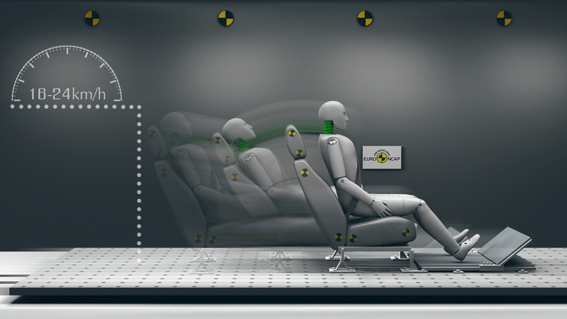 Japan NCAP, Euro NCAP and China NCAP Regulation for Seat Whiplash Assessment
Although whiplash injuries can occur in any kind of crash, an occupant’s chances of sustaining this type of injury are greatest in …
Open capability
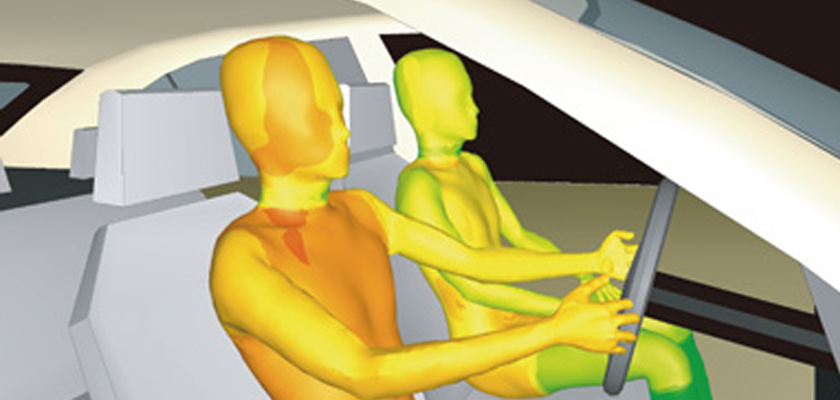 Seat Thermal Comfort Design with CFD and FEA (Finite Element) Simulation
Heated and Cooled Seat Thermal Comfort Simulation Heated and cooled seats are no longer exclusive to luxury cars, as more carmakers offer …
Open capability
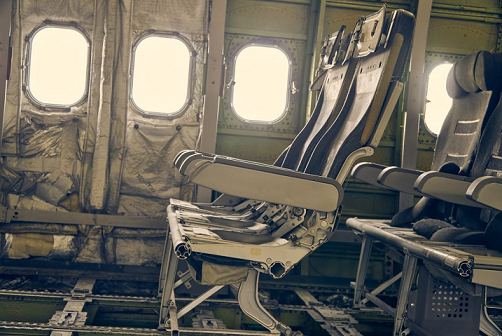 Aerospace Seat Design: Federal Aviation Administration (FAA) and European Aviation Safety Agency (EASA)
Aerospace Seat Design Regulations: FAA and EASA In the United States, the Federal Aviation Administration (FAA) sets the standards for aerospace seat …
Open capability
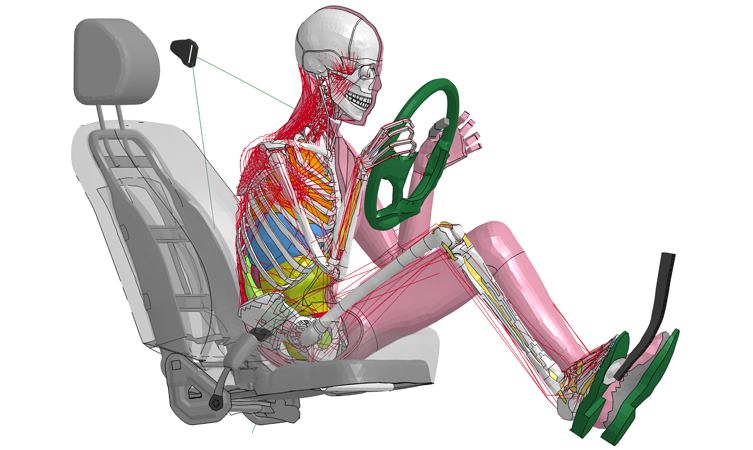 Dummies for Crash Test Simulation
Crash Test Dummies & Human Models Frontal Impact Dummies Hybrid II (50th percentile) rigid dummy for aeronautics applications Express Hybrid III 50th …
Open capability
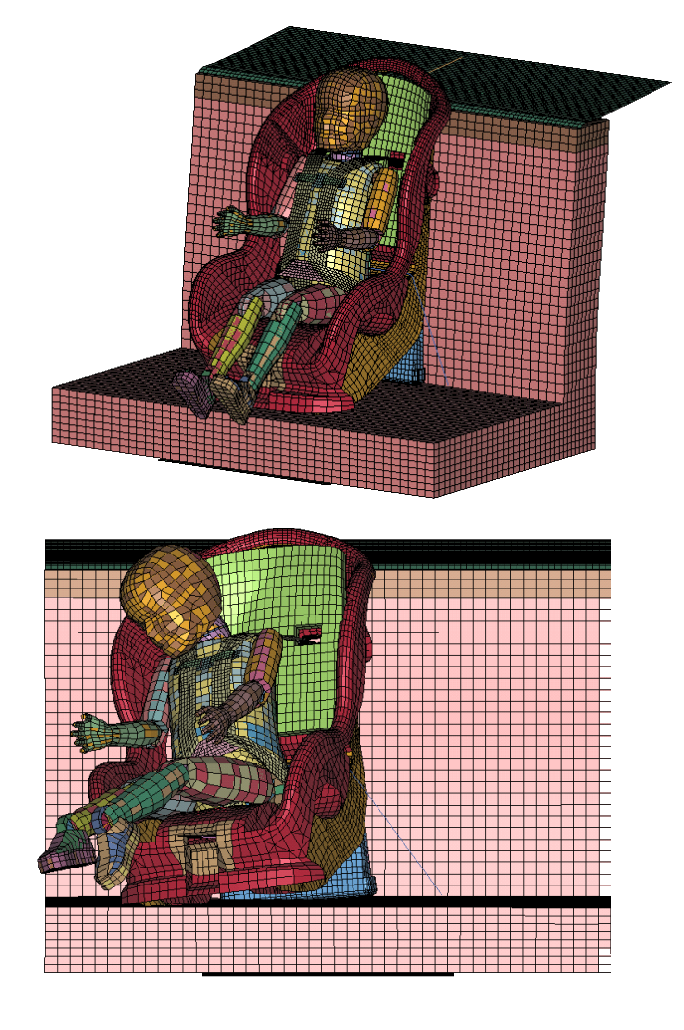 Seat Dynamic Comfort Design
The dynamic comfort design of a car seat is crucial in ensuring the comfort of the occupant and reducing driving fatigue. It …
Open capability
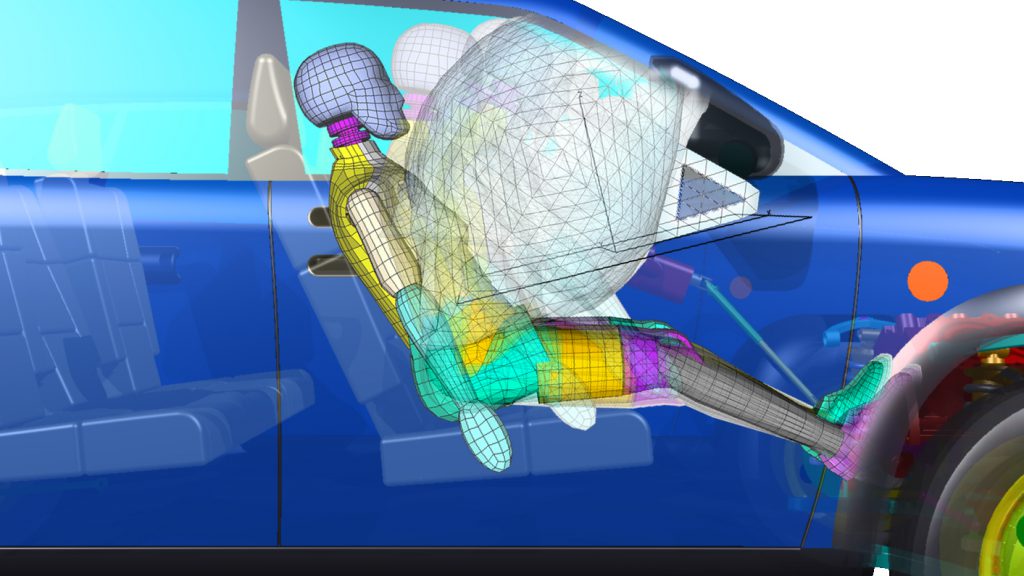 Meat-to-metal simulation
 is a method that evaluates the contact between the occupant’s body and the seat structure, taking into account the deformation …
Open capability
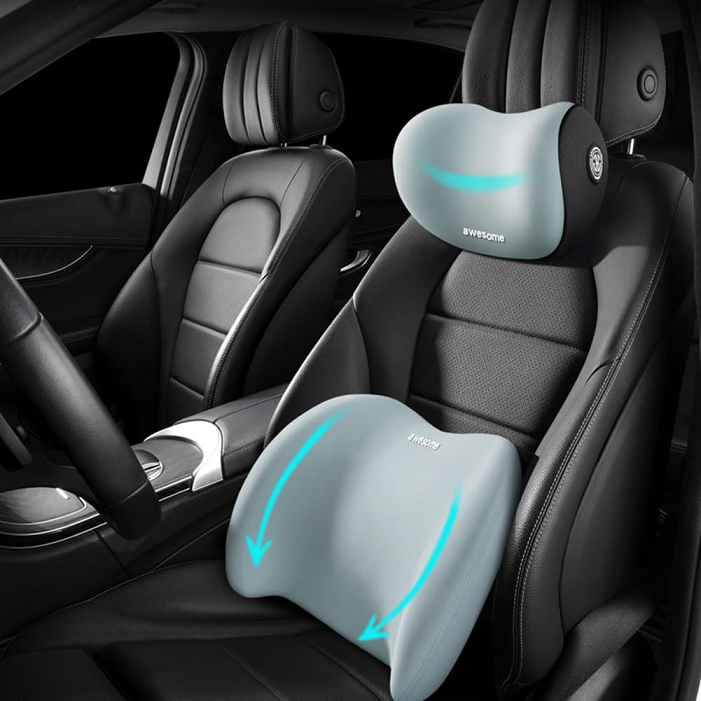 Lumbar support for Car Seat
Lumbar support is an important feature in automotive seating, as it can help reduce lower back pain and fatigue for occupants. Finite …
Open capability
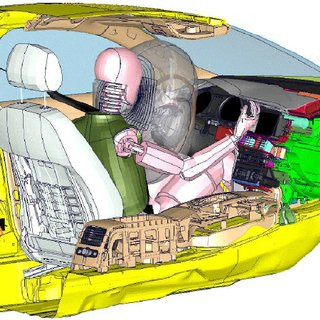 FEA Simulation for Seat Softness and Hardness Prediction
Our engineering team’s finite element simulation expertise allows us to test the softness and hardness of the seat, helping optimize the design …
Open capability
Other Simulation Area
Working on fmvss 202a: head restraints – methodology and equipment for the static and dynamic test?
Tell us the geometry, the physics and the decision it has to support.
Talk to an engineer