

Industries Seat Design
Seat Thermal Comfort Design with CFD and FEA (Finite Element) Simulation
Aircraft and Automotive Seat Design: Finite Element and CFD Simulation for Static & Dynamic Comfort, Whiplash, Acoustic & Thermal Comfort, Vibration, and Crash Test
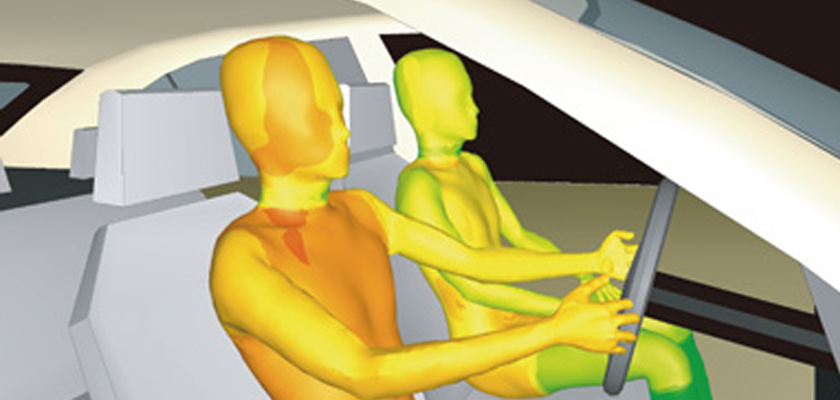
Heated and Cooled Seat Thermal Comfort Simulation
Heated and cooled seats are no longer exclusive to luxury cars, as more carmakers offer them for their midrange models. However, designing and optimizing such seats to enhance the occupant’s thermal comfort is a complex process. It involves considering the interactions among the occupant, the seat cover, the cushion foam, and the heating or ventilation systems (air flow), and moisture management, as well as the occupant’s subjective perception of thermal comfort.
One way to address this challenge is to use numerical simulation (Finite Element and/or CFD) to simulate the thermal comfort of a driver sitting in a heated or cooled seat. This approach requires digital human models that can capture the human body’s thermal behavior and objective thermal comfort criteria.
Realistic simulations can be performed taking into account aspects such as blood flow, breathing, evaporation, metabolic responses, sweating, shiver, cardiac output, and the local heat exchange between the manikin and its interaction with both seat and environment.
Our Finite Element tools (Ansys LS-DYNA, Simulia Abaqus, ESI Pam-Crash, Altair RADIOSS) and CFD tools (Siemens Star-ccm+, Ansys Fluent, OpenFoam) for seat design and virtual testing can save time and money in the design and development process, while also improving the thermal comfort and overall quality of the final product.
Seat Design
Finite Element and CFD-based design can help ensure the right occupant …
Capabilities that sit beside this one
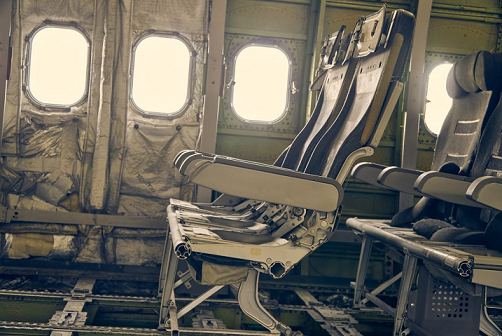 Aerospace Seat Design: Federal Aviation Administration (FAA) and European Aviation Safety Agency (EASA)
Aerospace Seat Design Regulations: FAA and EASA In the United States, the Federal Aviation Administration (FAA) sets the standards for aerospace seat …
Open capability
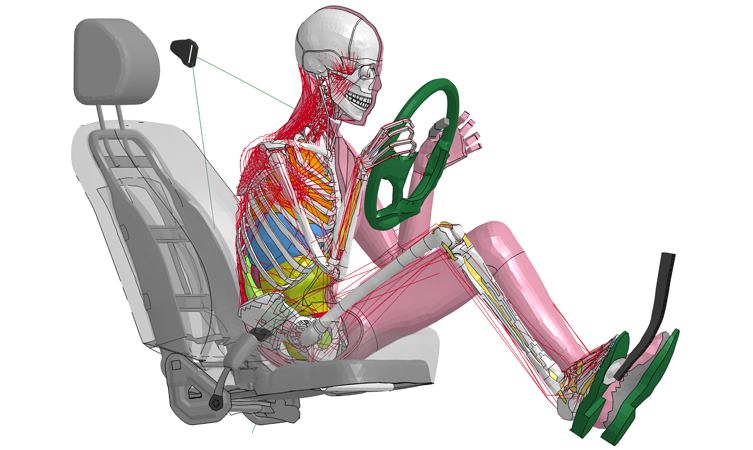 Dummies for Crash Test Simulation
Crash Test Dummies & Human Models Frontal Impact Dummies Hybrid II (50th percentile) rigid dummy for aeronautics applications Express Hybrid III 50th …
Open capability
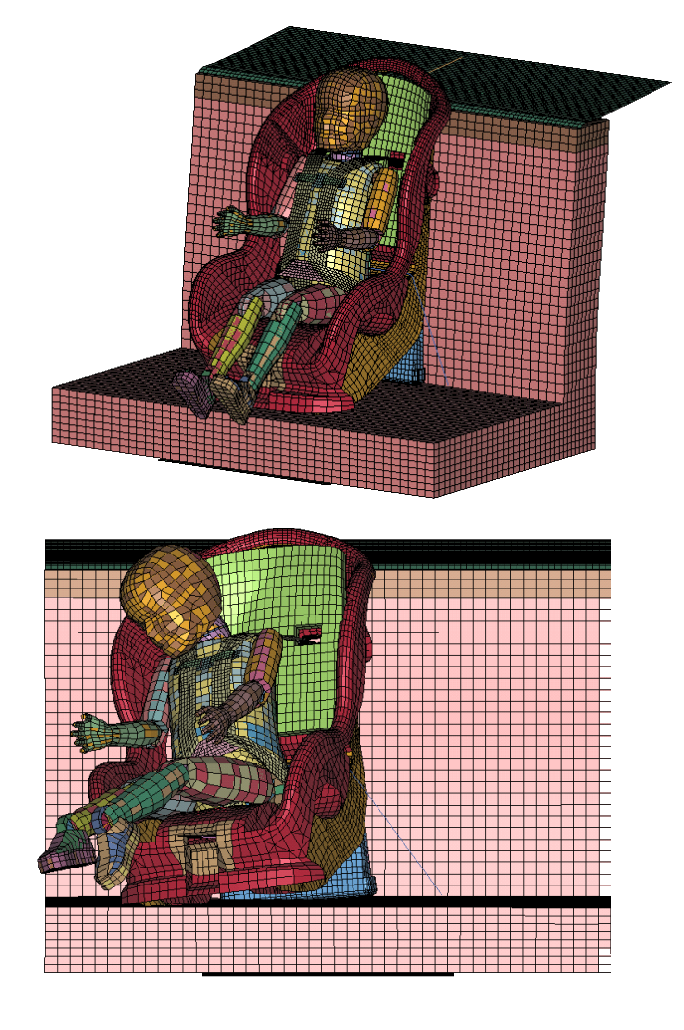 Seat Dynamic Comfort Design
The dynamic comfort design of a car seat is crucial in ensuring the comfort of the occupant and reducing driving fatigue. It …
Open capability
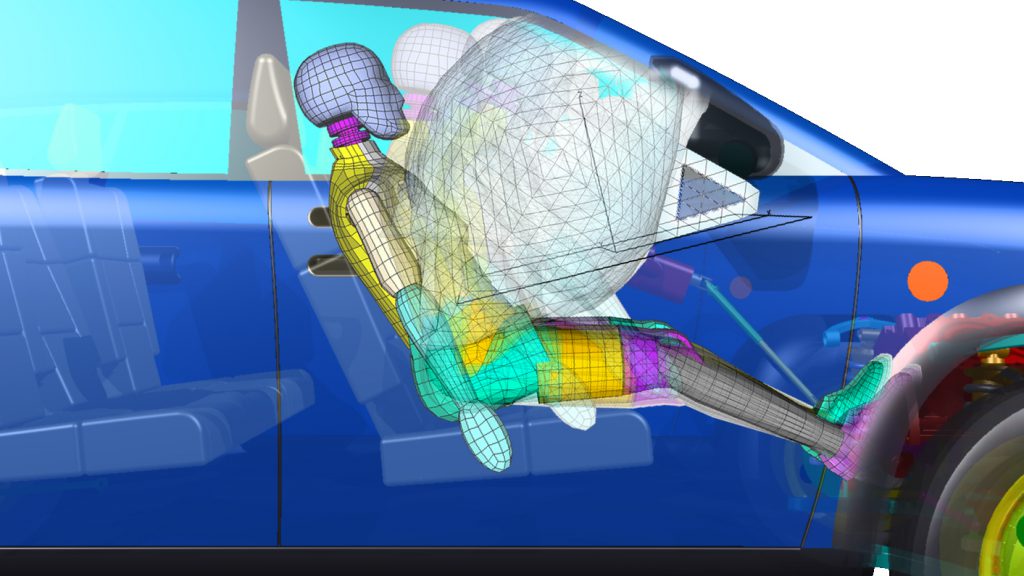 Meat-to-metal simulation
 is a method that evaluates the contact between the occupant’s body and the seat structure, taking into account the deformation …
Open capability
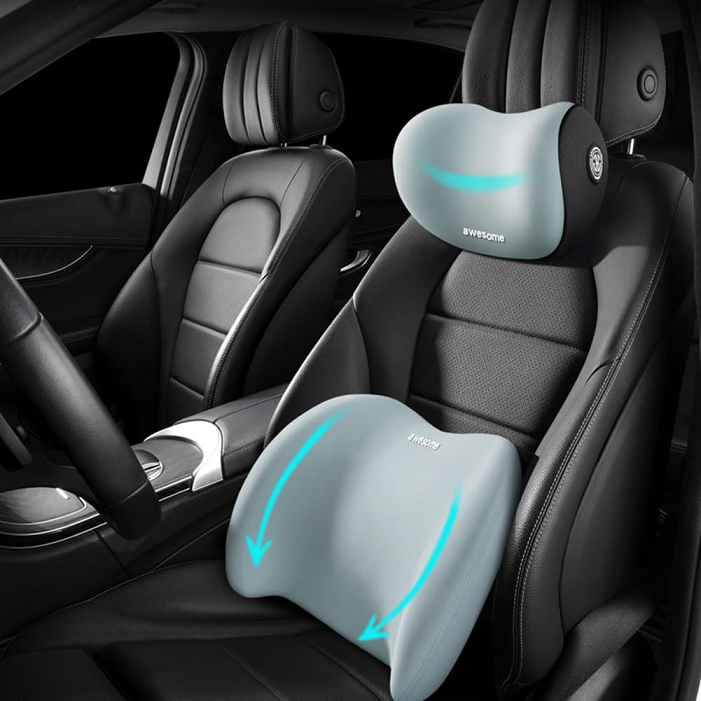 Lumbar support for Car Seat
Lumbar support is an important feature in automotive seating, as it can help reduce lower back pain and fatigue for occupants. Finite …
Open capability
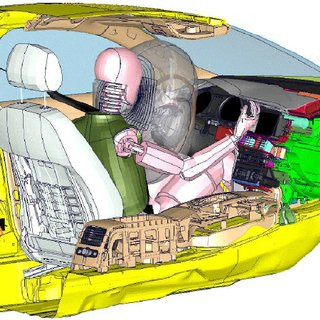 FEA Simulation for Seat Softness and Hardness Prediction
Our engineering team’s finite element simulation expertise allows us to test the softness and hardness of the seat, helping optimize the design …
Open capability
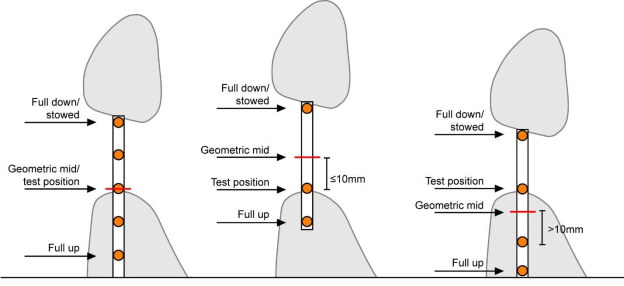 FMVSS 202a: Head Restraints – Methodology and Equipment for the Static and Dynamic Test
In the proposed FMVSS No. 202a, manufacturers were given the option of meeting either of two sets of requirements. The first set …
Open capability
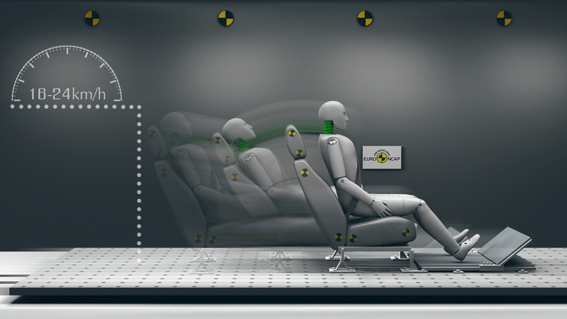 Japan NCAP, Euro NCAP and China NCAP Regulation for Seat Whiplash Assessment
Although whiplash injuries can occur in any kind of crash, an occupant’s chances of sustaining this type of injury are greatest in …
Open capability
Other Simulation Area
Working on seat thermal comfort design with cfd and fea (finite element) simulation?
Tell us the geometry, the physics and the decision it has to support.
Talk to an engineer