

Finite Element Crash Test Simulation
eVTOL Landing Gear and Airframe Crashworthiness
Finite Element Simulation of Crash Test and Crashworthiness with LS-Dyna, Abaqus and PAM-CRASH Including Airbag & Seat Belt Effectiveness, Electric Vehicles (EV), Trucks, Bus and eVTOL
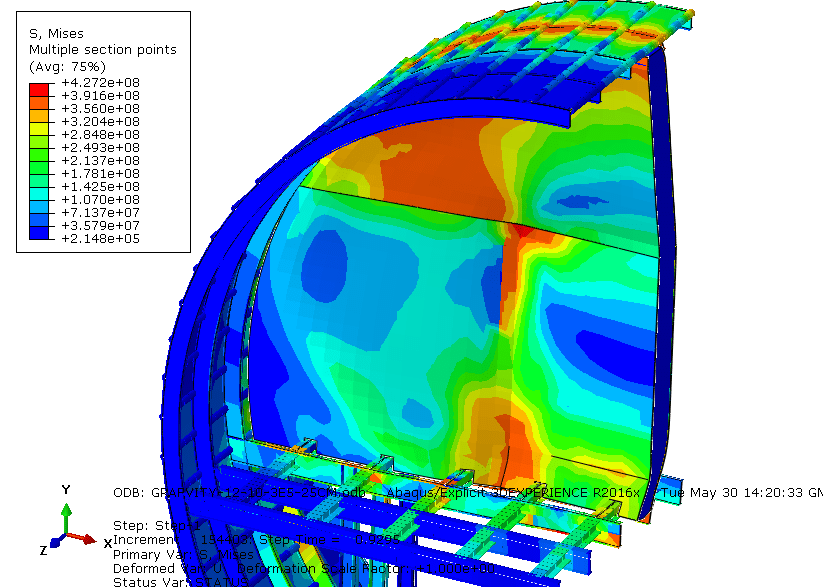
eVTOLs, or electric vertical takeoff and landing aircraft, are a new category of aircraft that are being developed for urban air mobility. Because these aircraft will be flying over urban areas and potentially transporting passengers, their crashworthiness is of utmost importance.
One critical aspect of crashworthiness design for eVTOLs is the landing gear. The landing gear should be designed to absorb the energy of impact in the event of a crash, protecting the passengers and the airframe. Additionally, the landing gear should be able to withstand the forces of landing and takeoff, as well as any hard landings or turbulence.
The airframe itself must also be designed to be crashworthy. It should be able to absorb the energy of impact and protect the passengers inside. The airframe should also be designed to minimize the risk of fire or explosion in the event of a crash.
The materials used in the construction of eVTOLs can also affect their crashworthiness. Lightweight materials such as composites can help reduce the weight of the aircraft, increasing its efficiency and range. However, these materials may have lower strength and impact resistance than traditional metals, so careful design and testing is necessary to ensure that the eVTOL is crashworthy.
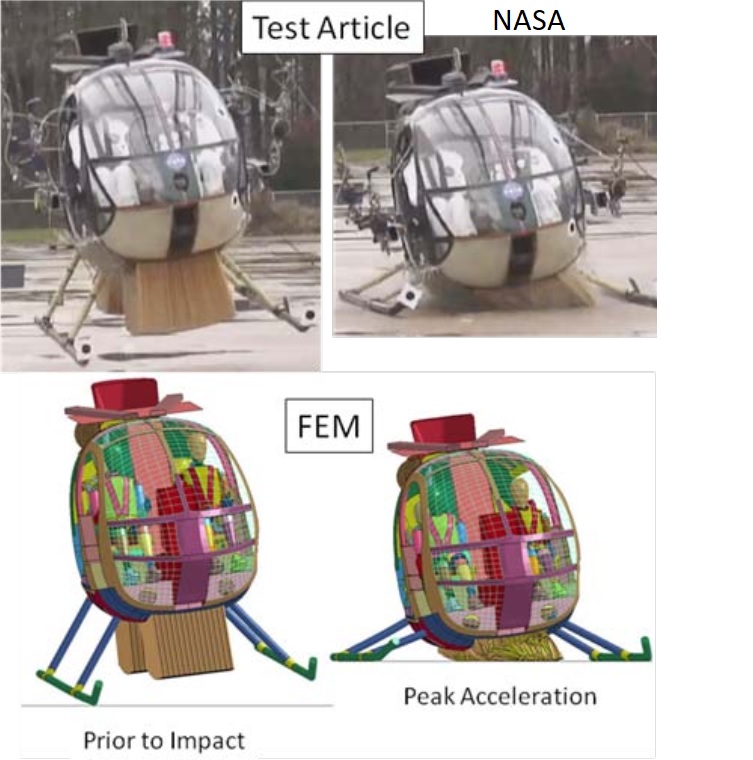
Crashworthiness simulations can be used to test the design of eVTOL landing gear and airframes. These simulations can help engineers identify weaknesses in the design and make improvements to enhance crashworthiness. Additionally, full-scale crash tests may be necessary to validate the simulation results and ensure that the eVTOL is safe for passengers and other people on the ground.
The wider discipline
Crash Test Simulation
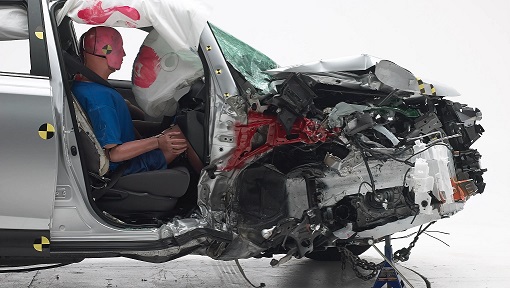
Here at OLTRION, we use finite element simulation (FEA) for crash test and crashworthiness because it allows us to predict the behavior of the car structure and occupants during a crash without the need for physical testing. FEA enables our engineers to create a computer model of the vehicle and simulate the crash scenario using various materials and structural designs.
By using advanced Finite element solvers such as Ansys LS-Dyna, ESI Pam-Crash and Simulia Abaqus, we can assess the structural integrity and crashworthiness of the vehicle's components, such as the …
By using advanced Finite element solvers such as Ansys LS-Dyna, ESI Pam-Crash and Simulia Abaqus, we can assess the structural integrity and crashworthiness of the vehicle's components, such as the …
More in Crash Test Simulation
View the section →
Capabilities that sit beside this one
 The main scenarios of crash tests
Key crash test scenarios: ▶ Frontal Impact: In this type of crash test, a car is propelled into a barrier at a …
Open capability
 Airbag Effectiveness in Crash Test and crashworthiness
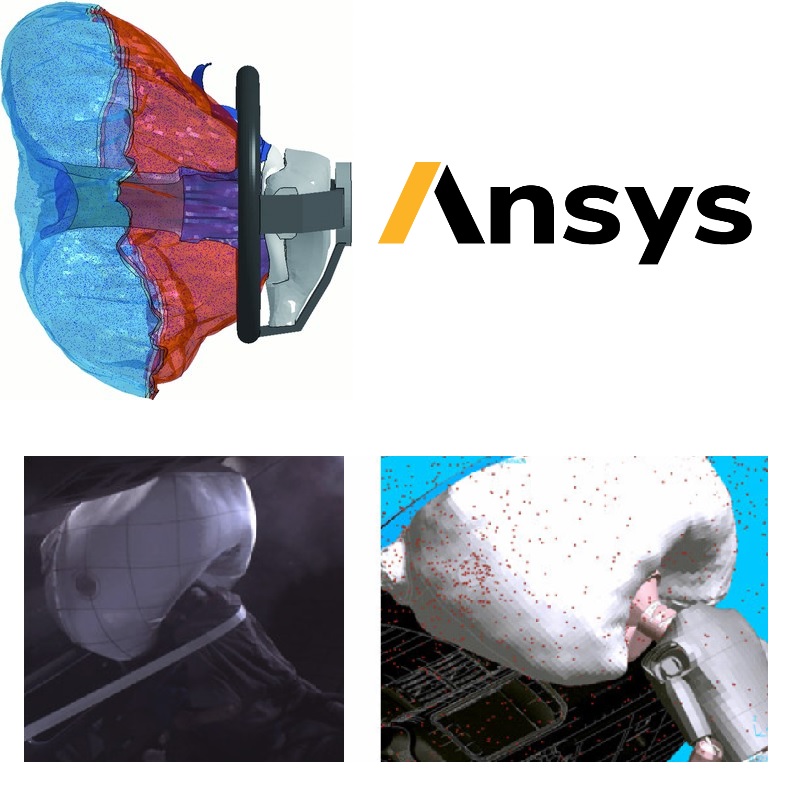
Airbags are an important safety feature in automobiles that can help reduce the risk of injury or death in a crash. They …
Open capability
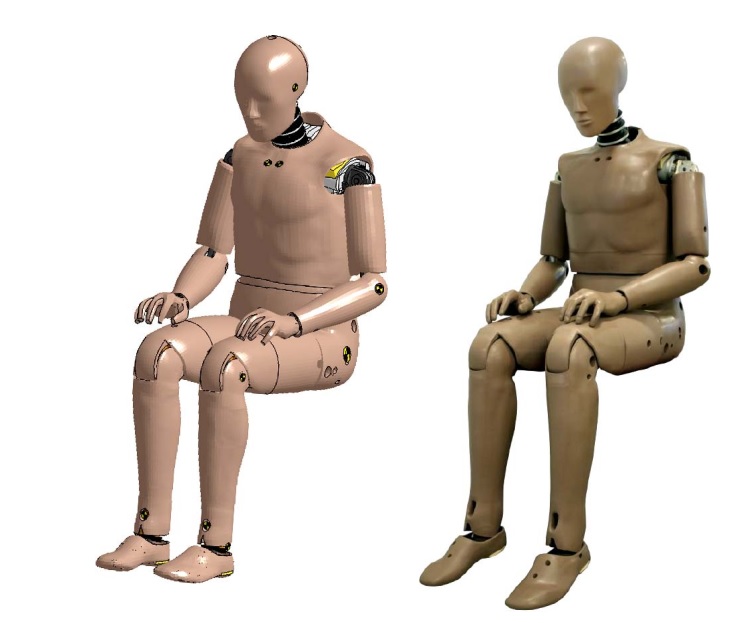 Dummies for crash Test Simulation
Dummies, also known as anthropomorphic test devices (ATDs), are essential tools for conducting crash test Finite Element simulations to evaluate the safety …
Open capability
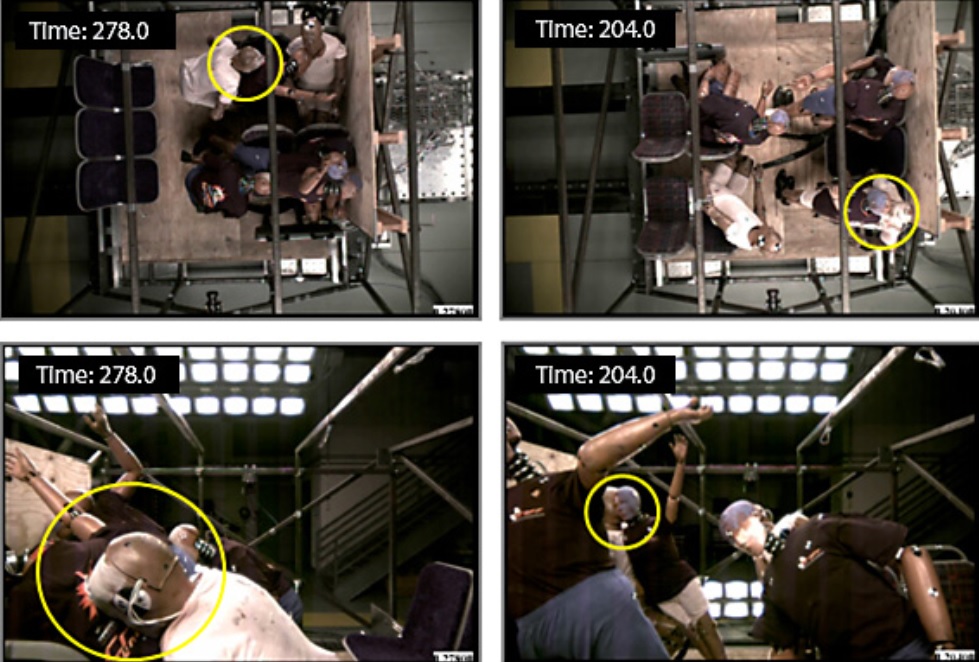 School Bus Crashworthiness
School buses are unique vehicles designed to carry children, and they require special safety features to ensure that passengers are protected in …
Open capability
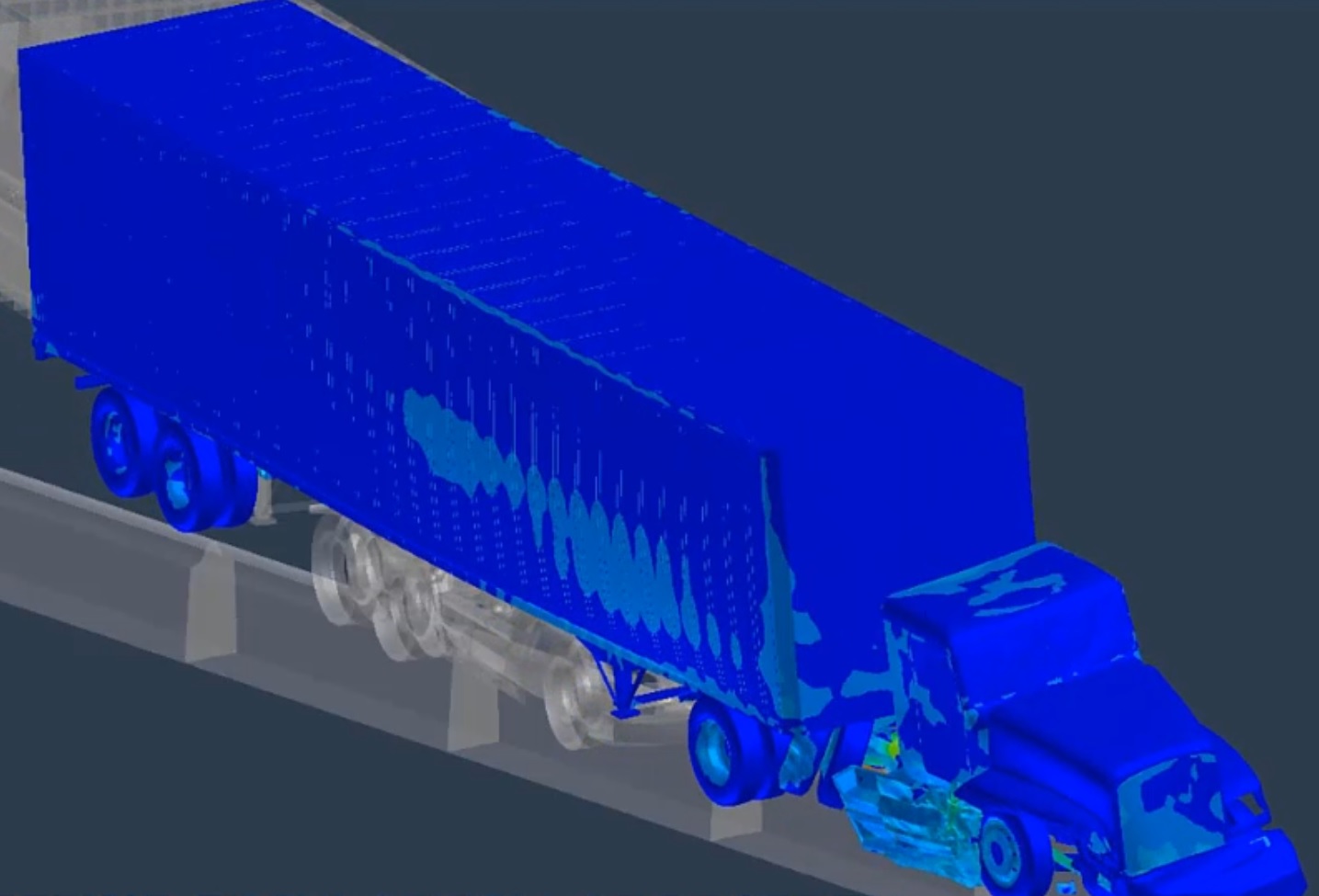 Small Overlap - Oblique Crash Test FEA Simulation
The small overlap or oblique crash test is a type of crash test that is designed to simulate a vehicle hitting a …
Open capability
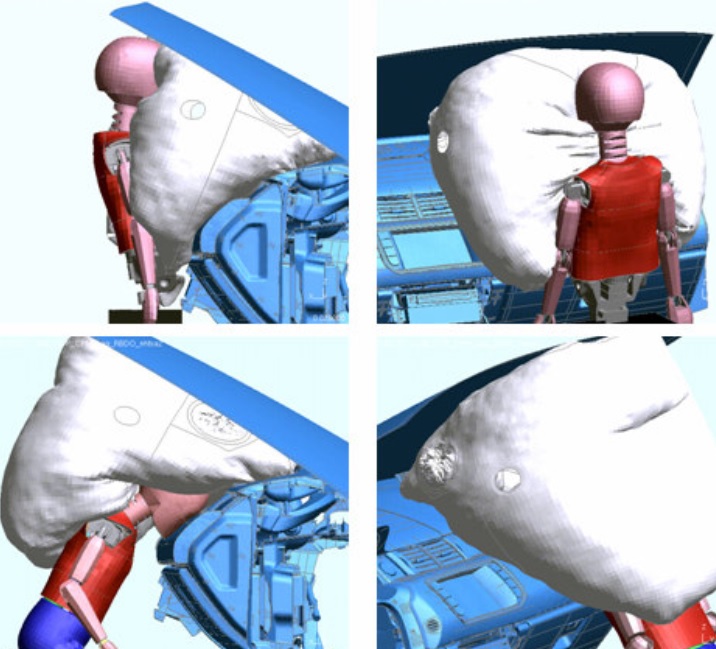 Occupant Restraint Systems
 (ORS) are an essential component of automobile safety. They are designed to keep the occupants of a vehicle safe …
Open capability
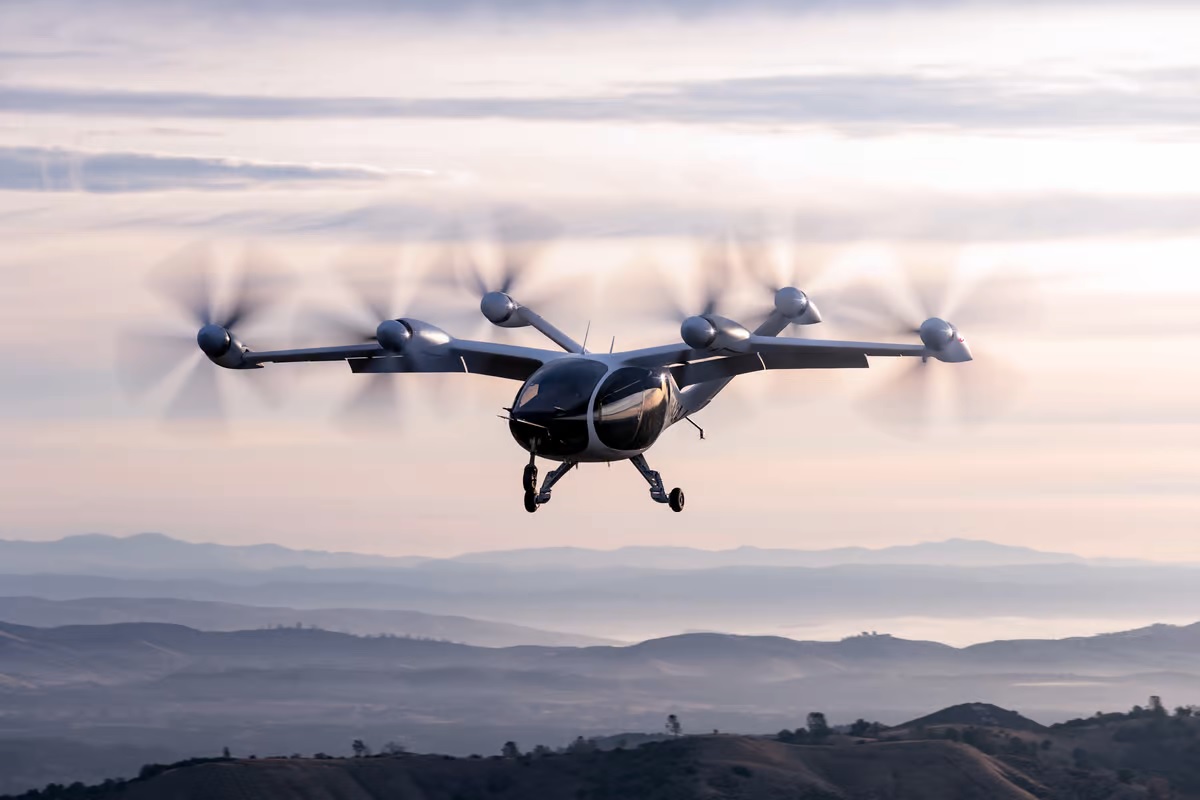 Crashworthiness design of eVTOLs
The crashworthiness design of eVTOLs aircraft is critical to ensure the safety of passengers and crew in the event of a crash …
Open capability
Across Finite Element
Other Simulation Area
Acoustics and Vibration
Acoustics in Aerospace Engineering
Aero-acoustics is becoming increasingly important in the aerospace industry due to the growing concern over the noise generated …
Additive Manufacturing
Metal Binder Jetting
Metal Binder Jetting (MBJ) is an emerging additive manufacturing technology that offers several key advantages over traditional Powder …
Blast, Explosion & Fire
Applications of blast and explosion FEA & CFD simulation in the Chemical, Petrochemical, Oil & Gas industry
Applications of blast and explosion simulation: ▶ Explosion Modeling: Numerical simulation can be used to model the behavior …
Composite Materials
Unidirectional composites (UD)
Unidirectional composites (UD) are a type of composite material that consist of fibers arranged in a single direction …
Durability & Fatigue Life
Elastomer Materials Fatigue
Developers of rubber materials, components and systems increasingly rely on simulation as a routine means to address design …
Metal Forming Simulation
Open Die Forging
Open die forging is a forging process used for large and critical products that cannot be formed using …
Multibody Dynamics
Multibody Dynamics & NVH
By combining MBD simulation and NVH finite element simulation analysis, engineers can create comprehensive models that simulate the …
Thermal Analysis
Vehicle Thermal Management Simulation
Extending from steady-state to transient simulation is essential in investigating the real conditions of vehicle driving cycles. This …
Welding Simulation
Finite Element Simulation of Brazing
Brazing is a thermal joining process that uses a melted filler material to connect metal components. The filler …
VTOL, eVTOL & UAM
Defense Technical Information
Crash Survival Design Guide (DTIC) This five-volume guide presents criteria and data for crash-resistant Army aircraft, including design …
Working on evtol landing gear and airframe crashworthiness?
Tell us the geometry, the physics and the decision it has to support.
Talk to an engineer