

Finite Element Crash Test Simulation
Occupant Restraint Systems
Finite Element Simulation of Crash Test and Crashworthiness with LS-Dyna, Abaqus and PAM-CRASH Including Airbag & Seat Belt Effectiveness, Electric Vehicles (EV), Trucks, Bus and eVTOL
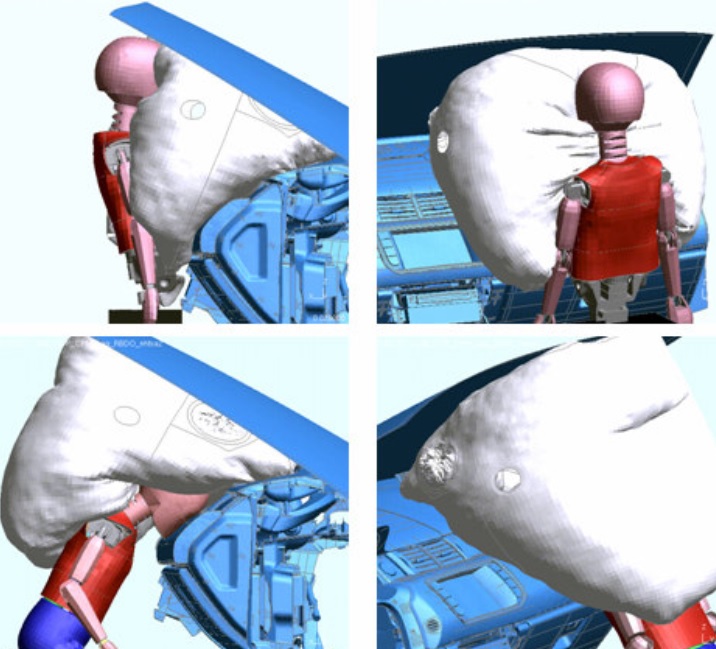
Occupant Restraint Systems (ORS) are an essential component of automobile safety. They are designed to keep the occupants of a vehicle safe in the event of an accident. These systems work by restraining the occupants of the vehicle and reducing the forces experienced during a collision.
In Europe, the Euro NCAP (European New Car Assessment Programme) requires all new cars to have specific ORS that meet certain standards.
ORS requirements that car manufacturers must meet:
- Seat Belts: Seat belts are the primary restraint system in vehicles. They are designed to keep occupants in their seats during an accident and to reduce the risk of injury. In Europe, all vehicles must have seat belts that meet specific standards, including lap and diagonal belts in the front seats, and three-point belts in the rear seats.
- Airbags: Airbags are designed to protect occupants from injuries to the head, neck, and chest during an accident. In Europe, all new vehicles must have front and side airbags as standard.
- Child Restraint Systems: Child Restraint Systems (CRS) are designed to protect children from injuries during an accident. In Europe, all new vehicles must have CRS that meet specific standards, including ISOFIX anchor points for securing child seats.
- Head Restraints: Head restraints are designed to prevent whiplash injuries during an accident. In Europe, all new vehicles must have head restraints that meet specific standards.
- Electronic Stability Control: Electronic Stability Control (ESC) is a safety feature that helps to prevent accidents by detecting and reducing skidding. In Europe, all new vehicles must have ESC as standard.
Crash Test Simulation
By using advanced Finite element solvers such as Ansys LS-Dyna, ESI Pam-Crash and Simulia Abaqus, we can assess the structural integrity and crashworthiness of the vehicle's components, such as the …
Capabilities that sit beside this one
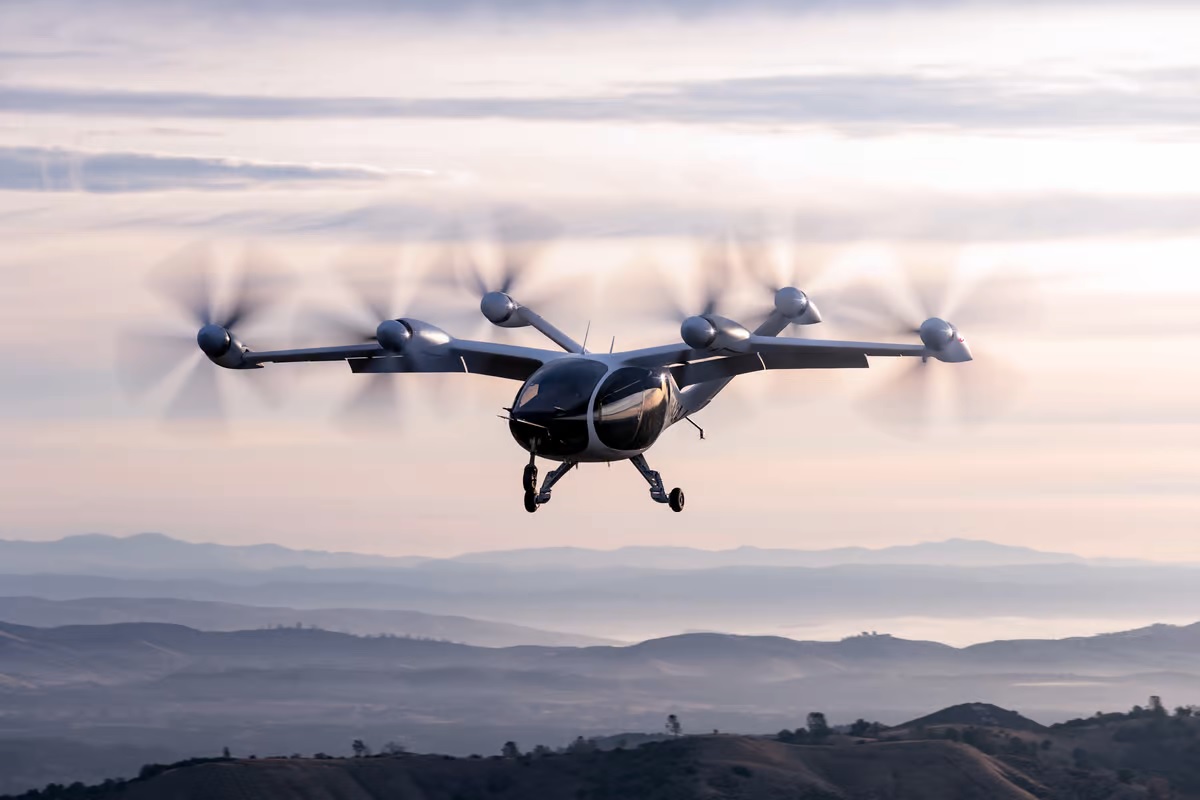 Crashworthiness design of eVTOLs
The crashworthiness design of eVTOLs aircraft is critical to ensure the safety of passengers and crew in the event of a crash …
Open capability
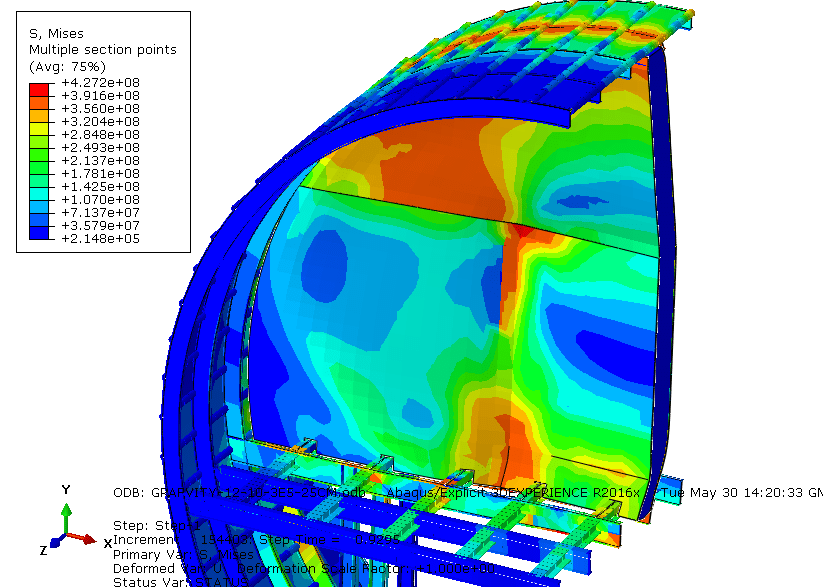 eVTOL Landing Gear and Airframe Crashworthiness
eVTOLs, or electric vertical takeoff and landing aircraft, are a new category of aircraft that are being developed for urban air mobility. …
Open capability
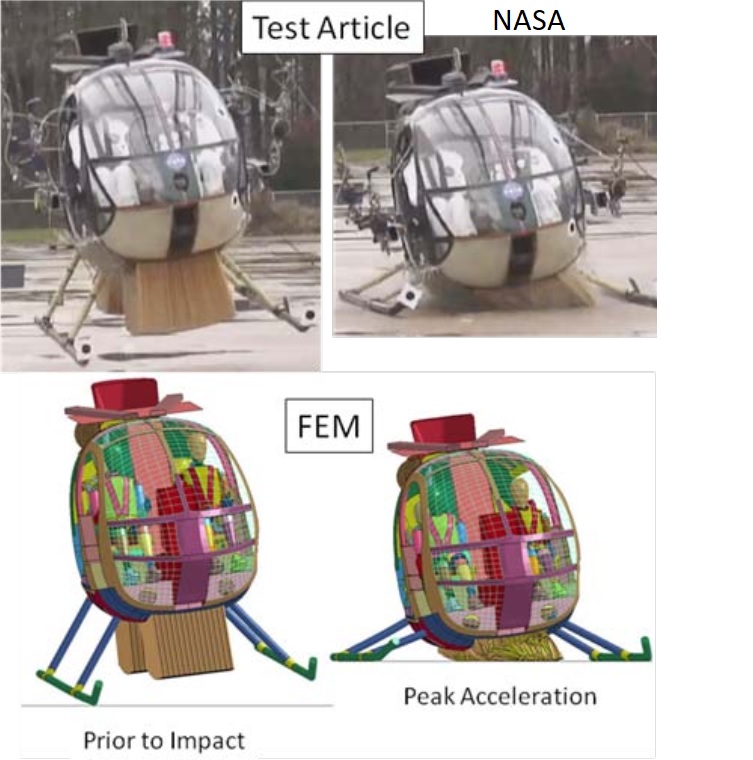 The main scenarios of crash tests
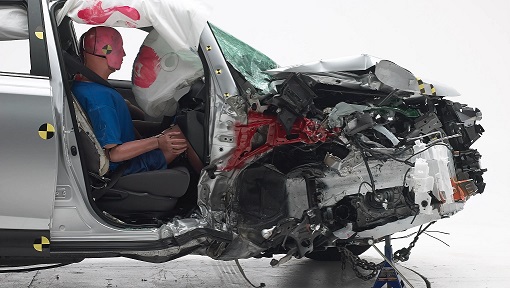
Key crash test scenarios: ▶ Frontal Impact: In this type of crash test, a car is propelled into a barrier at a …
Open capability
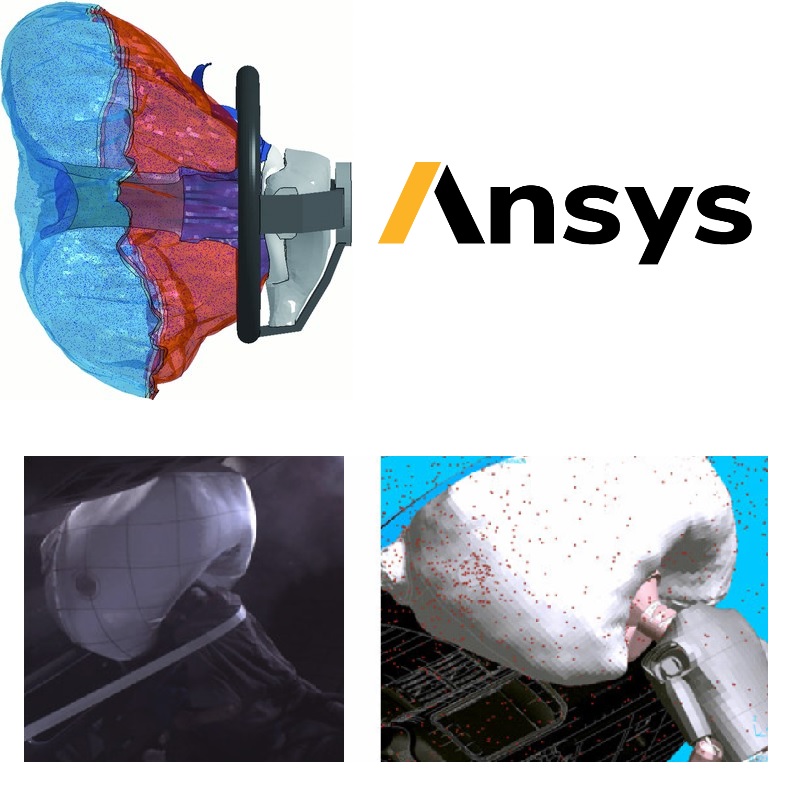 Airbag Effectiveness in Crash Test and crashworthiness
Airbags are an important safety feature in automobiles that can help reduce the risk of injury or death in a crash. They …
Open capability
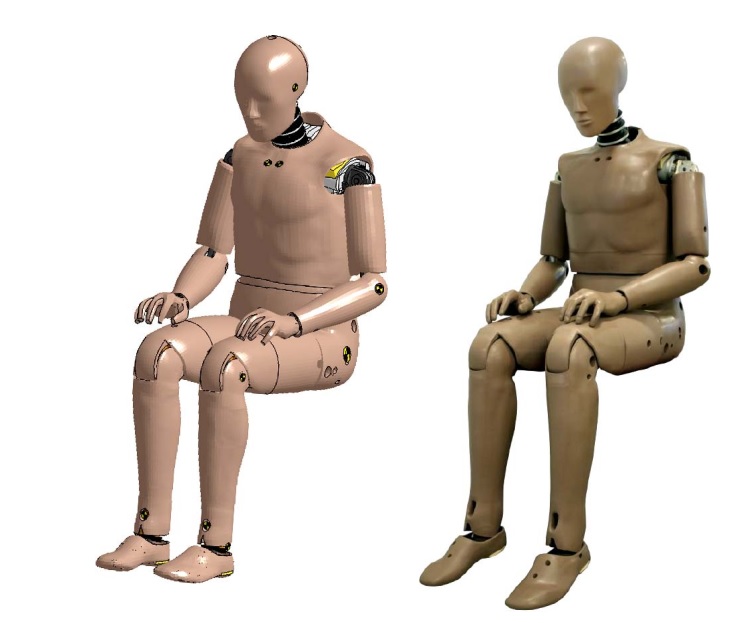 Dummies for crash Test Simulation
Dummies, also known as anthropomorphic test devices (ATDs), are essential tools for conducting crash test Finite Element simulations to evaluate the safety …
Open capability
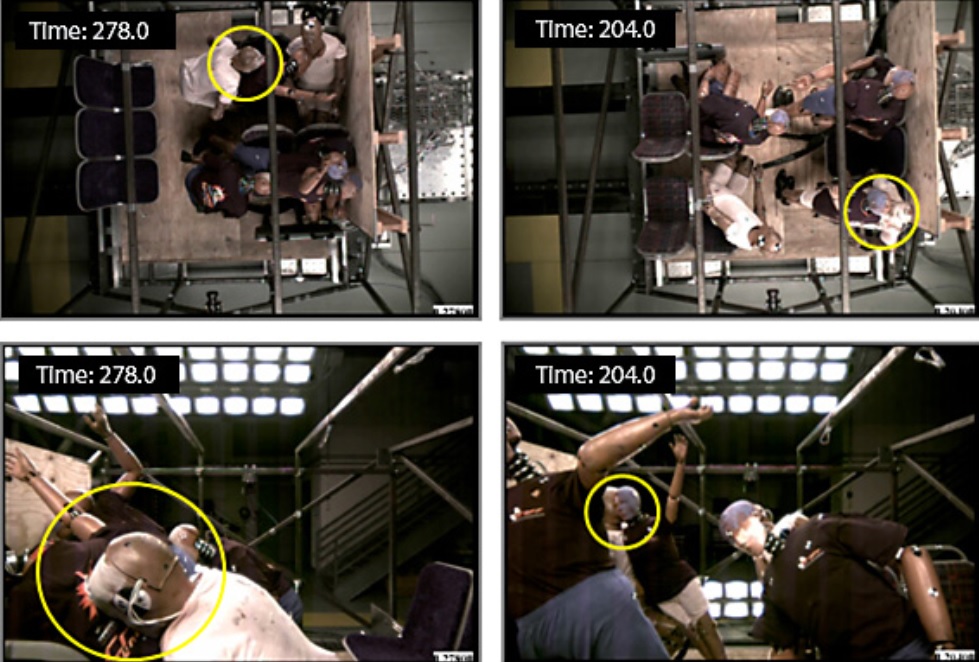 School Bus Crashworthiness
School buses are unique vehicles designed to carry children, and they require special safety features to ensure that passengers are protected in …
Open capability
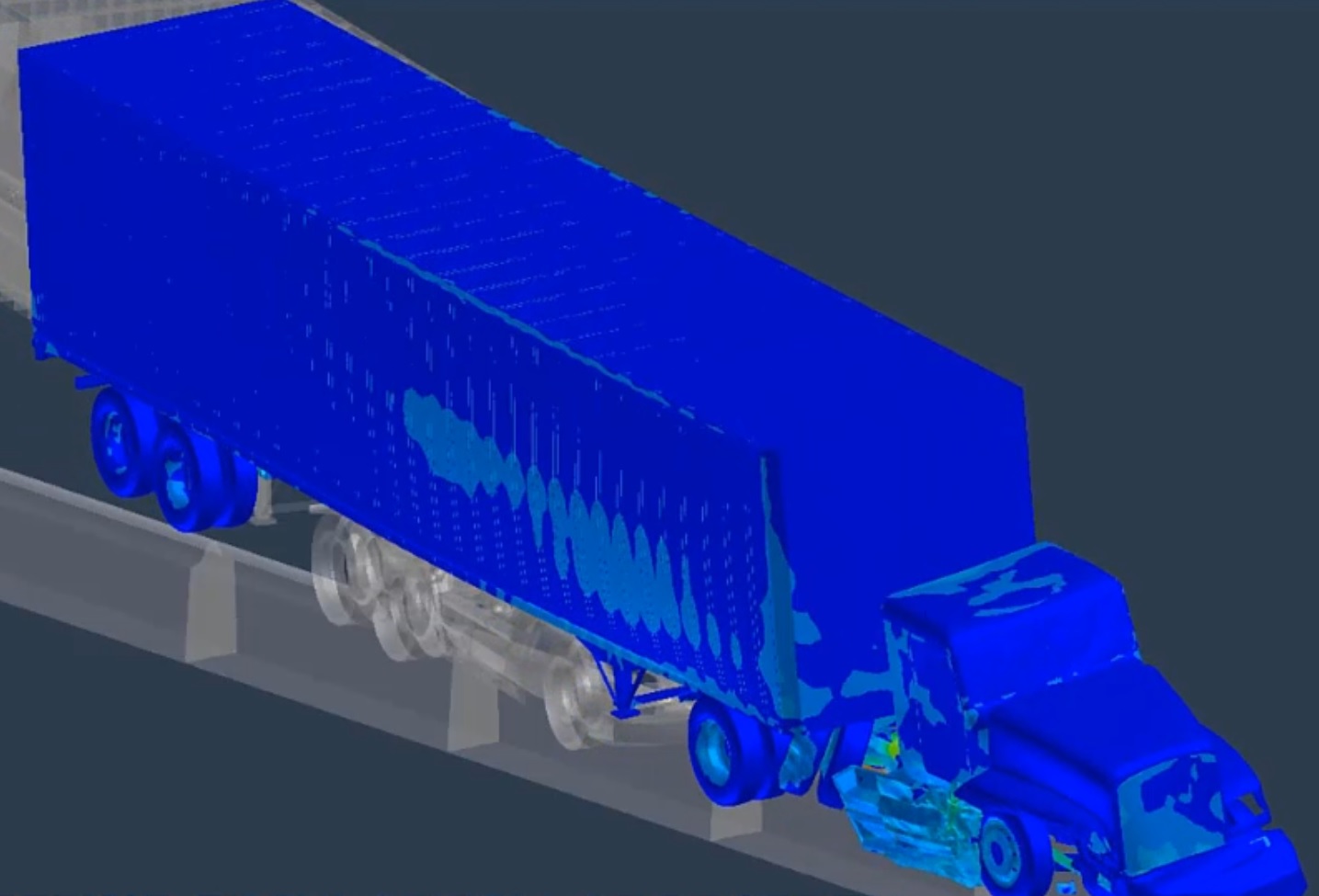 Small Overlap - Oblique Crash Test FEA Simulation
The small overlap or oblique crash test is a type of crash test that is designed to simulate a vehicle hitting a …
Open capability
Other Simulation Area
Working on occupant restraint systems?
Tell us the geometry, the physics and the decision it has to support.
Talk to an engineer