

Finite Element Crash Test Simulation
Small Overlap - Oblique Crash Test FEA Simulation
Finite Element Simulation of Crash Test and Crashworthiness with LS-Dyna, Abaqus and PAM-CRASH Including Airbag & Seat Belt Effectiveness, Electric Vehicles (EV), Trucks, Bus and eVTOL
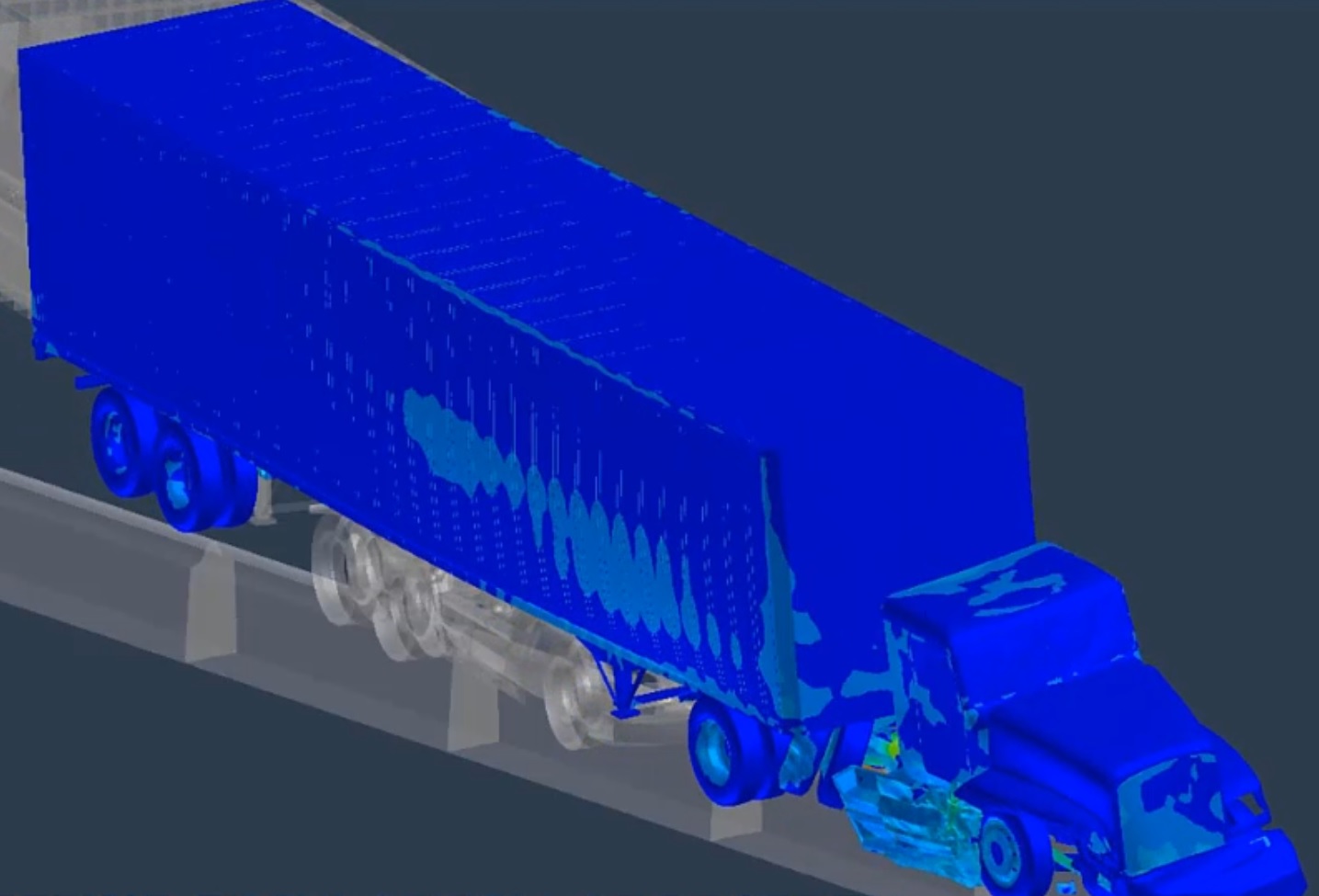
The small overlap or oblique crash test is a type of crash test that is designed to simulate a vehicle hitting a solid object such as a tree, utility pole, or another vehicle at an angle. In this type of crash test, the vehicle is propelled at a speed of 40 miles per hour and strikes a barrier that is only 25% of the vehicle's width, which is located at a slight angle. The test is intended to simulate the impact of a vehicle with a narrow object on the side of the vehicle.
The small overlap test is important because it simulates a real-world scenario that often occurs in accidents. In many cases, a vehicle may not hit a solid object head-on, but rather at an angle. This type of collision can be particularly dangerous because the energy from the impact is not evenly distributed throughout the vehicle, which can lead to serious injuries for the occupants.
The small overlap test is part of the crashworthiness standard that car manufacturers must pass in order to sell their vehicles in the United States. The test is conducted by the National Highway Traffic Safety Administration (NHTSA) and the Insurance Institute for Highway Safety (IIHS). The IIHS uses a more stringent version of the small overlap test, which is designed to replicate the impact of the vehicle hitting a solid object at a higher speed and at a more extreme angle.
Car manufacturers use a variety of techniques to improve the crashworthiness of their vehicles in small overlap or oblique crashes. These techniques may include strengthening the vehicle's structure in critical areas, improving the design of the front end of the vehicle to better absorb impact energy, and installing advanced safety features such as side airbags and safety belt pretensioners. By passing the small overlap test, car manufacturers can demonstrate that their vehicles are designed to protect occupants in a variety of real-world crash scenarios.
The wider discipline
Crash Test Simulation
Here at OLTRION, we use finite element simulation (FEA) for crash test and crashworthiness because it allows us to predict the behavior of the car structure and occupants during a crash without the need for physical testing. FEA enables our engineers to create a computer model of the vehicle and simulate the crash scenario using various materials and structural designs.
By using advanced Finite element solvers such as Ansys LS-Dyna, ESI Pam-Crash and Simulia Abaqus, we can assess the structural integrity and crashworthiness of the vehicle's components, such as the …
By using advanced Finite element solvers such as Ansys LS-Dyna, ESI Pam-Crash and Simulia Abaqus, we can assess the structural integrity and crashworthiness of the vehicle's components, such as the …
More in Crash Test Simulation
View the section →
Capabilities that sit beside this one
 Occupant Restraint Systems
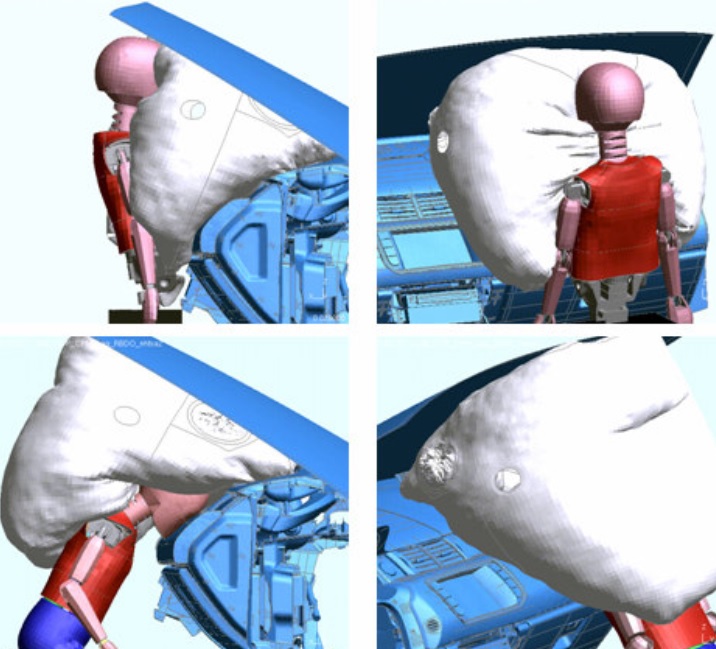
 (ORS) are an essential component of automobile safety. They are designed to keep the occupants of a vehicle safe …
Open capability
 Crashworthiness design of eVTOLs
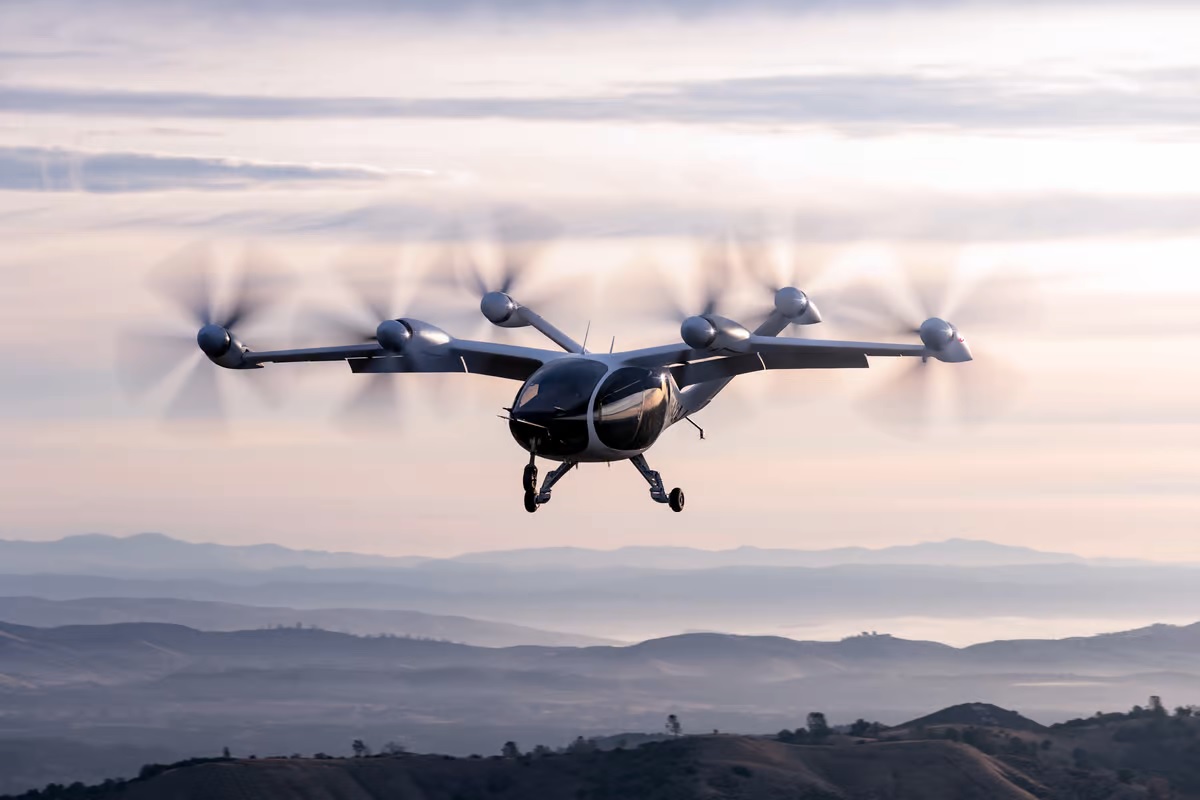
The crashworthiness design of eVTOLs aircraft is critical to ensure the safety of passengers and crew in the event of a crash …
Open capability
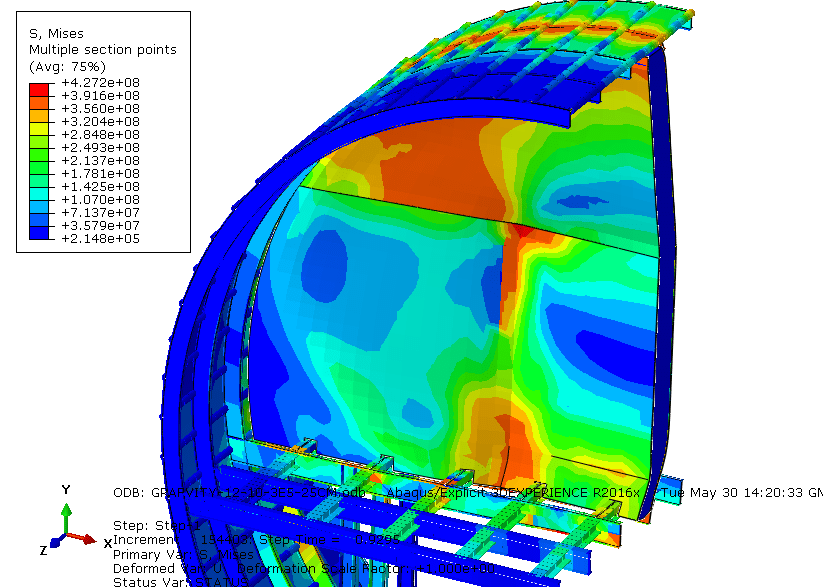 eVTOL Landing Gear and Airframe Crashworthiness
eVTOLs, or electric vertical takeoff and landing aircraft, are a new category of aircraft that are being developed for urban air mobility. …
Open capability
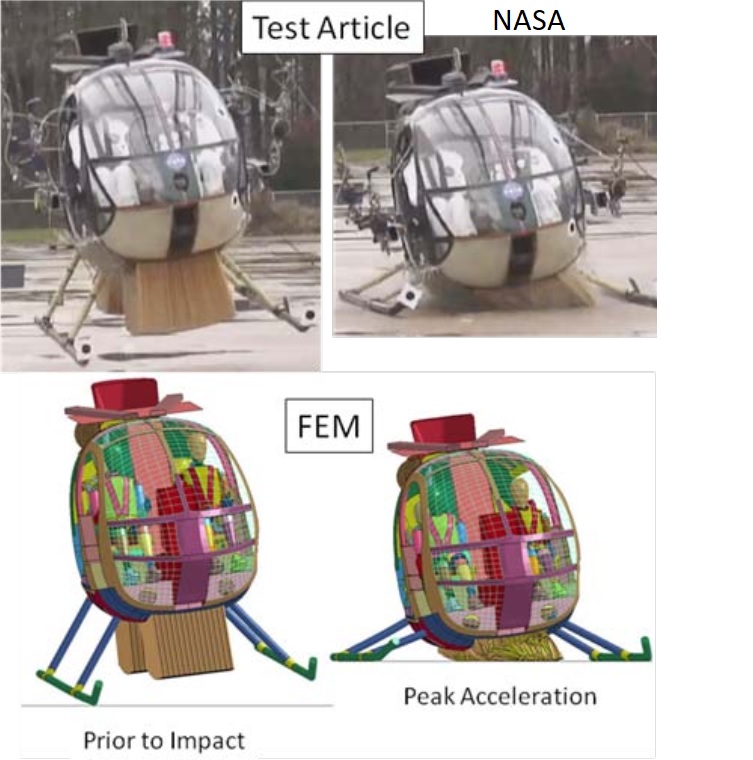 The main scenarios of crash tests
Key crash test scenarios: ▶ Frontal Impact: In this type of crash test, a car is propelled into a barrier at a …
Open capability
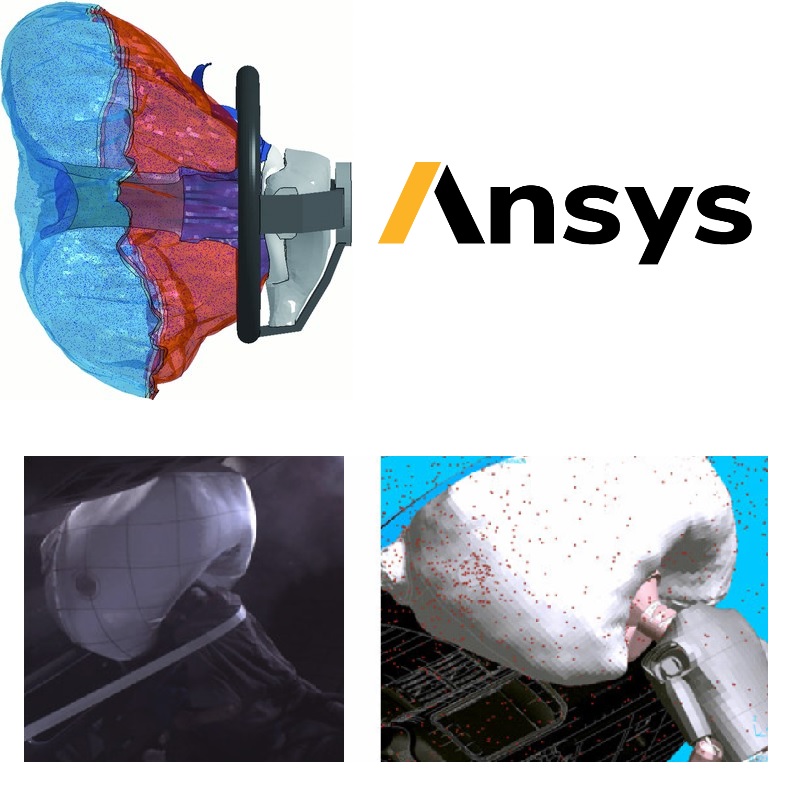 Airbag Effectiveness in Crash Test and crashworthiness
Airbags are an important safety feature in automobiles that can help reduce the risk of injury or death in a crash. They …
Open capability
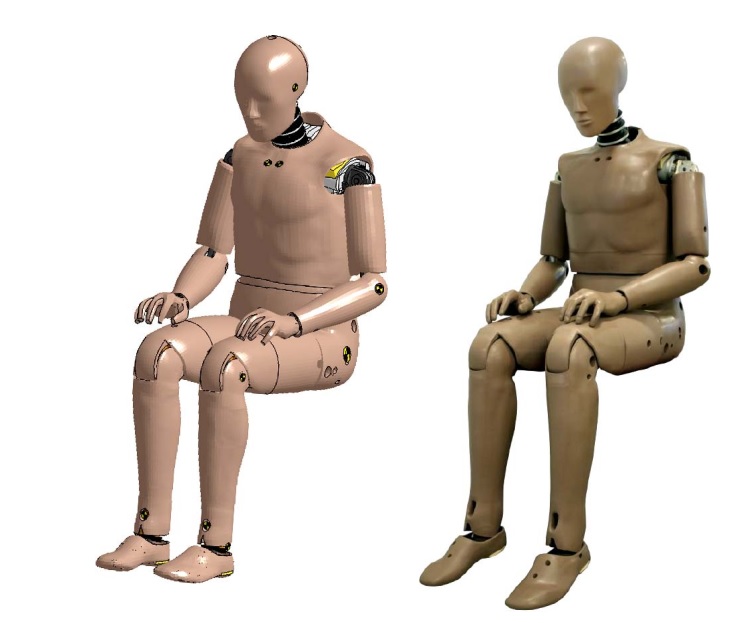 Dummies for crash Test Simulation
Dummies, also known as anthropomorphic test devices (ATDs), are essential tools for conducting crash test Finite Element simulations to evaluate the safety …
Open capability
 School Bus Crashworthiness
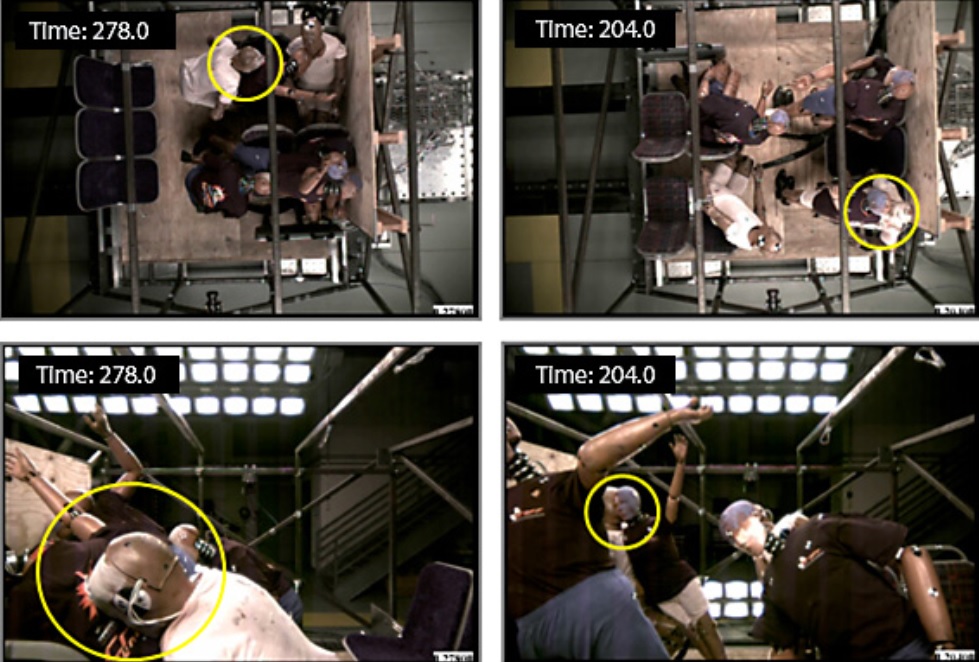
School buses are unique vehicles designed to carry children, and they require special safety features to ensure that passengers are protected in …
Open capability
Across Finite Element
Other Simulation Area
Acoustics and Vibration
Shipbuilding Noise Engineering
Accurate noise prediction models are crucial for designing marine applications that meet customer expectations for on-board noise levels. …
Additive Manufacturing
Powder Bed Fusion
Powder Bed Fusion (PBF) is an additive manufacturing technique that uses a heat source, typically a laser or …
Blast, Explosion & Fire
Arbitrary Lagrangian-Eulerian (ALE)
The Arbitrary Lagrangian-Eulerian (ALE) method is a numerical technique that combines the advantages of both the Lagrangian and …
Composite Materials
Hard Metal
Hard metals, also known as cemented carbides, are composite materials that are made up of a metal matrix …
Durability & Fatigue Life
Vibration Fatigue Simulation
structural vibration can lead to various issues in products, such as fatigue and durability problems, adverse reactions to …
Metal Forming Simulation
Sheet Metal Forming
Advanced finite element analysis (FEA) tools such as Ansys, LS-Dyna and Abaqus can be used for sheet metal …
Multibody Dynamics
Vehicle MultiBody Dynamics Simulation: Car Ride, Driveline, Engine and Tire MBD
Multi-body dynamic (MBD) simulation is a powerful tool for analyzing and optimizing the performance of different subsystems within …
Thermal Analysis
Stress Relief Heat Treatment
Stress relieving is a heat treatment process that reduces residual stresses in an assembly after welding. This process …
Welding Simulation
Resistance Spot Welding
Resistance Spot Welding (RSW) is a pressure welding process used to join two metal sheets together. In RSW, …
VTOL, eVTOL & UAM
NVH Analysis for eVTOL & Electro-Motors
FEA-based simulation in electromagnetic multiphysics environments delivers critical insights for Noise, Vibration & Harshness (NVH) analysis of electrical …
Working on small overlap - oblique crash test fea simulation?
Tell us the geometry, the physics and the decision it has to support.
Talk to an engineer